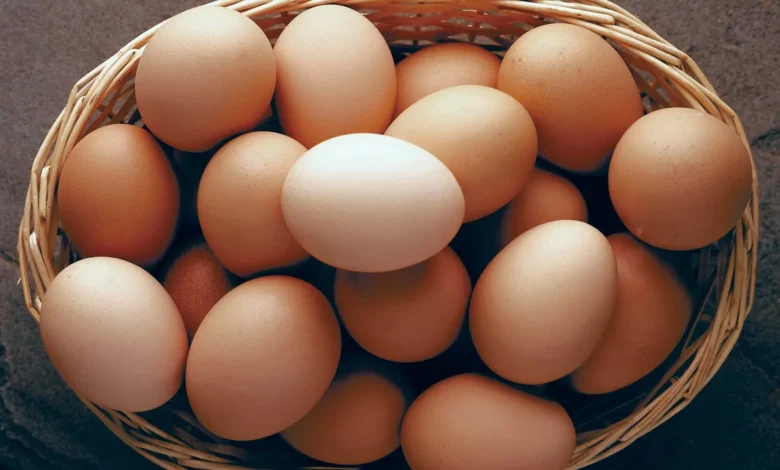
Eggs are one of the most popular and nutritious foods in the world. Whether boiled, scrambled, fried, or poached, they’re packed with protein, healthy fats, vitamins, and minerals that support muscle growth, heart health, and brain function.
However, as healthy as eggs are, what you eat them with can make a big difference to your digestion and overall health. Some food combinations with eggs can cause discomfort, reduce nutrient absorption, or even lead to health issues over time.
If you want to get the best out of your breakfast or any egg-based meal, here are 8 foods you should avoid combining with eggs — and the science behind why.
1. Milk
Many people love pairing eggs with milk — for example, scrambled eggs cooked with milk or an omelet with a glass of milk on the side. But this combination isn’t ideal for everyone.
While both eggs and milk are rich in protein, they are digested differently. Mixing them can sometimes cause digestive discomfort such as bloating, gas, or heaviness in the stomach. For people who are lactose intolerant, this can be even worse.
Also, from an Ayurvedic perspective, eggs are considered a non-vegetarian protein, while milk is vegetarian. Combining them may create an imbalance that slows down digestion and disrupts gut health.
Better option: If you love both, consume eggs and milk at different times of the day. Have eggs for breakfast and milk as an evening drink instead.
2. Bacon or Processed Meats
Eggs and bacon may be a classic breakfast combo, but it’s far from the healthiest.
Processed meats like bacon, sausages, or ham are high in saturated fats, salt, and nitrates, which can increase the risk of heart disease, high blood pressure, and inflammation when eaten frequently.
While eggs themselves contain good cholesterol and healthy fats, pairing them with processed meats adds an unhealthy load of sodium and saturated fat — turning a nutritious meal into a potential health risk.
Better option: Replace bacon with fresh avocado slices, smoked salmon, or sautéed vegetables. These options provide healthy fats and nutrients without the excess salt or preservatives.
3. Sugar or Sweet Foods
Some people enjoy eggs with pancakes, syrup, jam, or even sugary tea or coffee. But mixing eggs with a lot of sugar can interfere with protein digestion and may cause blood sugar spikes.
When sugar and protein are consumed together, the body prioritizes sugar metabolism first, delaying protein absorption. Over time, this combination can lead to fatigue, weight gain, and poor metabolism.
In addition, sugary foods can mask the natural flavor of eggs, making you crave more sweets afterward — which isn’t ideal for maintaining a balanced diet.
Better option: Combine eggs with whole grains, vegetables, or healthy fats like olive oil or avocado. If you crave something sweet, eat fruit separately instead of alongside your eggs.
4. Soy Milk
Many health-conscious people prefer soy milk over dairy milk, but combining soy milk with eggs isn’t a great idea either.
Soy contains compounds called trypsin inhibitors, which can interfere with protein digestion. When you consume eggs and soy milk together, these inhibitors can reduce the body’s ability to absorb the protein from eggs efficiently.
This means you’re not getting the full nutritional benefit from your eggs, despite eating a high-protein meal.
Better option: Drink soy milk at a different time of the day. Pair your eggs with water, black coffee, or herbal tea instead for better digestion and protein absorption.
5. Tea and Coffee
It’s common for people to have eggs with a cup of tea or coffee, but caffeine-rich beverages can affect the absorption of certain nutrients found in eggs, such as iron and calcium.
Tea, especially black tea, contains tannins that can bind with iron and make it harder for your body to absorb it. Coffee can have a similar effect and may also increase stomach acid, causing discomfort for people with sensitive digestion.
Better option: Drink tea or coffee at least 30–45 minutes after eating eggs. If you want a morning beverage with your meal, try warm water with lemon — it aids digestion and keeps you hydrated.
6. Cheese or Heavy Cream
While eggs and cheese make a tasty pair in omelets and casseroles, eating them together too often can lead to excess saturated fat and cholesterol intake.
Both cheese and eggs contain fat, and when consumed together in large quantities, they can burden your digestive system and contribute to high cholesterol levels over time.
Also, the richness of this combination can make you feel sluggish or overly full, especially in the morning when your body is still waking up.
Better option: Use small amounts of cheese or opt for lighter, low-fat varieties like feta or cottage cheese. Balance your meal with vegetables to improve digestion and nutrient balance.
7. Fish
Combining eggs with fish might seem harmless — some dishes even use this combo — but in many traditional dietary systems, including Ayurveda, this pairing is considered incompatible.
The reasoning is that both fish and eggs are high in protein but have different energy properties and digestion rates. Mixing them may strain your digestive system and cause imbalance or skin-related issues for sensitive individuals.
While modern science doesn’t strongly condemn this combination, it’s still best to avoid eating large portions of fish and eggs in the same meal, especially if you have a weak stomach or food sensitivities.
Better option: Enjoy eggs and fish separately. If you eat fish for lunch or dinner, have eggs earlier in the day for breakfast.
8. Fried Foods and Refined Carbohydrates
Eggs are healthy — but deep-frying them or pairing them with refined carbs like white bread, pastries, or fries turns them into a calorie-heavy, oily meal.
The combination of fried eggs with refined carbs increases bad cholesterol (LDL) and promotes inflammation, which can contribute to heart problems, sluggish digestion, and weight gain over time.
Frying eggs in excessive oil or butter also destroys some of their nutrients, such as antioxidants and amino acids.
Better option: Cook eggs in minimal olive oil or coconut oil. Pair them with whole-grain toast, oatmeal, or a fresh salad for a balanced, energizing meal.
Bonus: Be Mindful of Raw Eggs
Some people consume raw eggs for protein, especially fitness enthusiasts. However, raw eggs may contain salmonella bacteria, which can cause food poisoning.
Also, raw egg whites contain avidin, a protein that binds to biotin (vitamin B7) and prevents its absorption. Biotin is important for skin, hair, and metabolism, so eating raw eggs regularly may lead to a deficiency.
Better option: Always cook your eggs thoroughly — boiling, poaching, or light frying keeps the nutrients intact while eliminating bacteria.
Final Thoughts
Eggs are a nutritional powerhouse, but even the healthiest foods can lose their benefits when paired with the wrong combinations. Understanding how different foods interact in your body helps you make smarter dietary choices and avoid unnecessary digestive discomfort.
To summarize, here are 8 foods you should avoid combining with eggs:
Milk
Bacon or processed meats
Sugar or sweet foods
Soy milk
Tea and coffee
Cheese or heavy cream
Fish
Fried foods and refined carbs
The goal isn’t to restrict yourself completely but to eat mindfully. If you occasionally enjoy these combinations, it’s fine — just avoid making them a daily habit.
For the best health benefits, pair your eggs with fresh vegetables, whole grains, fruits, and healthy fats. That way, you’ll enjoy all their protein power without compromising your digestion or overall wellness.
Remember: A healthy diet isn’t just about what you eat — it’s also about how you combine it.