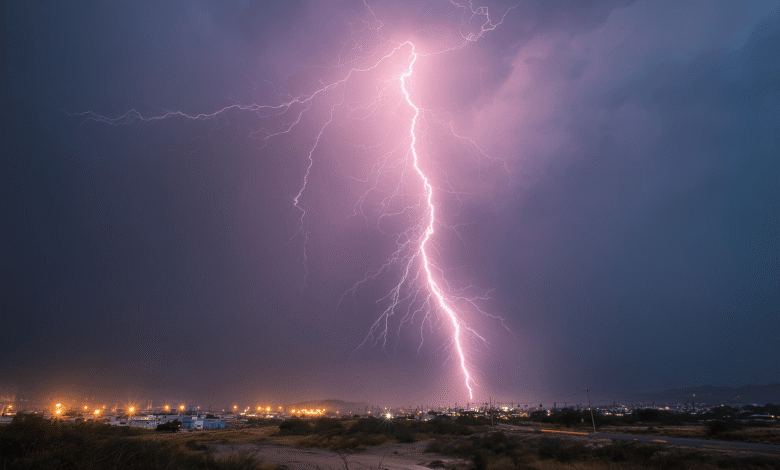
When dark clouds gather and rain begins to fall, most people focus on staying dry, finding shelter, or getting home as quickly as possible, but very few stop to think about one of nature’s most powerful and deadly dangers, which is lightning. Every year, lightning strikes people around the world, causing serious injuries and deaths, and many of these incidents happen because people unknowingly engage in activities that increase their risk during thunderstorms.
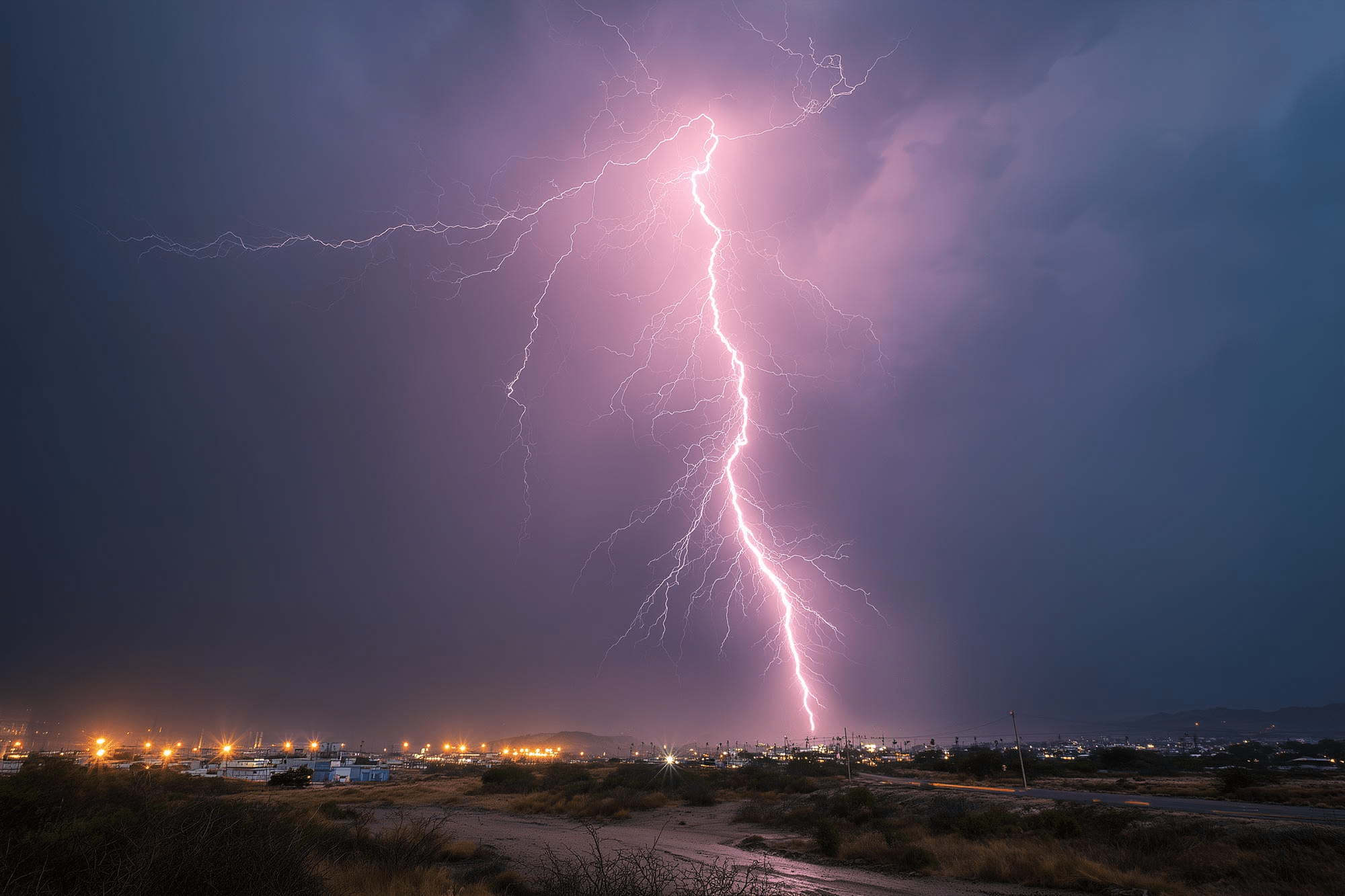
What makes lightning particularly dangerous is that it can strike several kilometers away from the center of a storm, meaning that even if the rain seems light or the thunder sounds distant, you could still be in danger. Many of the habits people consider normal during rainy weather can actually place them directly in the path of a lightning strike.
Understanding these risks can help you stay safe the next time a thunderstorm rolls through your area.
Standing Under a Tree for Shelter
One of the most common mistakes people make during a storm is running under a tree to escape the rain. It feels like a natural solution because trees provide immediate cover, but they are actually among the most dangerous places to be during a thunderstorm.
Lightning often seeks the tallest object in an area, and trees frequently become targets. When lightning strikes a tree, the electrical current can travel down the trunk and spread through the surrounding ground. Anyone standing nearby can be seriously injured or killed by the energy released.
Many lightning victims are not directly struck but are affected by electricity traveling from nearby objects.
Using Your Phone Outdoors During a Storm
There is a widespread belief that mobile phones attract lightning. While simply using a smartphone does not automatically attract a strike, standing outside during a thunderstorm while distracted by your phone can increase your risk because you may ignore warning signs or delay seeking proper shelter.
Many people stop to make calls, record videos, take photographs, or post updates about the weather instead of moving to safety immediately.
The danger comes less from the phone itself and more from remaining exposed in unsafe locations.
Taking Shelter in Open Structures
Bus stops, market sheds, gazebos, and other open structures may keep rain off your head, but they do not necessarily protect you from lightning.
Proper lightning protection usually requires a fully enclosed building with wiring and plumbing systems that safely direct electrical energy into the ground.
Open shelters often provide little protection and can create a false sense of security that encourages people to remain outdoors longer than they should.
Standing in Open Fields
Open spaces become extremely dangerous during thunderstorms because if you are the tallest object in the area, lightning may view you as the easiest path to the ground.
Football fields, farms, school compounds, playgrounds, and large open areas can become particularly hazardous during severe weather.
Many lightning incidents occur because people continue outdoor activities after hearing thunder instead of immediately seeking proper shelter.
Riding a Motorcycle During a Thunderstorm
Motorcyclists face unique risks during storms because they remain fully exposed to weather conditions.
While the motorcycle itself does not magically attract lightning, the rider’s exposure, combined with reduced visibility, slippery roads, and the possibility of being in open areas, increases overall danger significantly.
Many riders continue their journeys despite worsening weather because they hope to reach their destination quickly, but delaying travel until the storm passes is often the safer choice.
Holding Metal Objects in Open Areas
Metal does not attract lightning from long distances, but it conducts electricity extremely well.
People carrying fishing rods, umbrellas with metal shafts, farming tools, construction equipment, or other metal objects may increase their risk if they remain exposed during a thunderstorm.
Long metal objects can make a person appear taller and may create a more attractive pathway for electrical discharge in certain situations.
The safest approach is to seek shelter immediately rather than continuing activities that involve metal equipment.
Swimming During a Storm
Water is an excellent conductor of electricity, making lakes, rivers, beaches, and swimming pools dangerous places during thunderstorms.
If lightning strikes a body of water, the electrical energy can spread across the surface and affect people who are swimming nearby.
Many people underestimate this risk because the strike may occur some distance away, but electricity can still travel through the water and cause serious injuries.
Swimming should stop immediately when thunder is heard.
Staying Near Power Lines and Electrical Equipment
Power poles, electrical transformers, overhead cables, and utility infrastructure become particularly dangerous during severe weather.
Lightning strikes can travel through electrical systems, creating hazards even if the strike occurs elsewhere along the network.
People who remain near damaged power equipment during storms expose themselves to unnecessary risk, especially if flooding is also present.
Maintaining a safe distance from electrical infrastructure during storms is always a wise decision.
Continuing Outdoor Sports and Activities
One of the most dangerous decisions people make is refusing to stop outdoor activities when a storm approaches.
Football matches, jogging sessions, outdoor events, farming work, construction projects, and recreational activities often continue despite visible lightning and audible thunder.
Many people convince themselves that they have enough time before the storm reaches them, but lightning can strike suddenly and without warning.
The moment thunder becomes audible, outdoor activities should be suspended and participants should move to a safer location.
Standing Near Windows and Open Doors During Severe Storms
Although being inside a building is generally the safest option, standing near open doors, windows, balconies, or exposed openings during intense thunderstorms can still present risks.
Lightning can travel through electrical systems, metal components, and structural elements. While the danger is much lower than being outdoors, it is still advisable to remain away from exposed openings until the storm passes.
Many people enjoy watching storms from windows, but maintaining some distance provides an extra layer of safety.
Why Lightning Is More Dangerous Than People Realize
One reason lightning remains so dangerous is that many people misunderstand how it behaves.
A lightning strike contains enormous amounts of electrical energy and can reach temperatures hotter than the surface of the sun. It can travel through the ground, jump between objects, and affect people who are not directly struck.
This means that simply avoiding a direct hit is not enough. Being close to a strike can still cause severe injuries through ground current, side flashes, or conductive pathways.
The unpredictable nature of lightning is what makes proper precautions so important.
What You Should Do When Thunder Starts
The safest response to a thunderstorm is simple. As soon as you hear thunder, move indoors immediately.
A fully enclosed building offers significantly better protection than trees, open shelters, or temporary structures. If no building is available, a fully enclosed vehicle with a metal roof can also provide protection.
Once inside, avoid unnecessary contact with electrical appliances, wired devices, and plumbing systems until the storm has passed.
Most importantly, do not wait until the rain becomes heavy. Lightning can strike before the main storm arrives.