5 everyday appliances that use less electricity than you probably think

With electricity costs becoming a growing concern for many households, it is common for people to worry about every appliance plugged into their home, and in many cases, the biggest fears are directed at devices that are actually quite efficient. While some appliances genuinely consume large amounts of power, others have gained a reputation for being expensive to run even though their actual electricity usage is surprisingly low.
This misunderstanding often causes people to unplug useful devices unnecessarily or avoid using appliances that have only a small impact on their monthly electricity bill. Understanding which appliances are relatively energy efficient can help you make smarter decisions about where your electricity is really going.
Here are five everyday appliances that often use less electricity than most people think.
LED Light Bulbs
Many people leave rooms and immediately rush back to switch off the lights because they assume every bulb is consuming a significant amount of electricity, but modern LED bulbs are remarkably efficient compared to older incandescent and fluorescent options.
A typical LED bulb can provide bright illumination while using only a fraction of the energy consumed by traditional bulbs. This means that even if you use several LED lights throughout your home, their combined electricity consumption may still be lower than that of a single high powered appliance.
This does not mean you should leave lights on unnecessarily, but it does mean that LED lighting is often one of the most energy efficient parts of a household.
Phone Chargers
Phone chargers are frequently blamed for increasing electricity bills, especially when left plugged into wall sockets, but the amount of electricity they consume is generally very small.
Charging a smartphone typically requires only a modest amount of energy because phone batteries are relatively small compared to the power demands of larger appliances. Even when a charger remains plugged in without actively charging a device, its electricity consumption is usually minimal.
While unplugging chargers when not in use is still a good habit, they are rarely the reason behind a noticeably high electricity bill.
Wi-Fi Routers
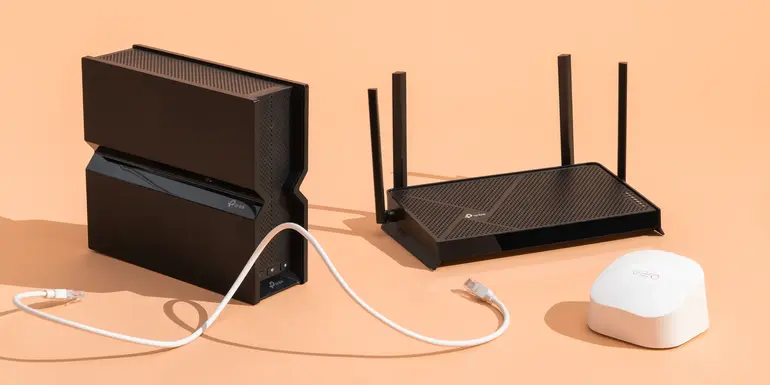
Because internet routers operate twenty four hours a day, many people assume they consume large amounts of electricity over time, but most home routers are designed to run efficiently.
A typical router uses far less power than appliances that generate heat, cooling, or mechanical movement. Even though it stays on continuously, its total monthly electricity usage is often lower than people expect.
For households that rely heavily on internet access for work, education, and communication, keeping the router running usually has only a modest impact on energy costs.
Laptop Computers
Many people think computers are major electricity consumers simply because they are electronic devices used for hours at a time, but laptops are generally much more energy efficient than desktop computers.
Modern laptops are designed to maximize battery life, which naturally encourages lower power consumption. Even when used for several hours daily, a laptop often consumes significantly less electricity than larger household appliances.
For students, remote workers, and business owners, laptops provide an effective balance between productivity and energy efficiency.
Electric Fans
When compared to air conditioners, electric fans use surprisingly little electricity while still providing noticeable comfort during hot weather.
Many households worry about leaving fans running for extended periods, but fans generally consume far less power because they only move air rather than actively cooling it. This makes them one of the most cost effective ways to stay comfortable during warm days and nights.
Although fans do use electricity, their impact on monthly energy bills is usually much smaller than people imagine.
Why Perception Often Differs From Reality
One reason people misunderstand appliance energy use is because visibility influences perception. Devices that run continuously or are used frequently tend to attract more attention, which can make them seem more expensive to operate than they actually are.
Meanwhile, appliances such as water heaters, electric irons, kettles, and air conditioners may run for shorter periods but consume much more electricity due to the amount of power required to generate heat or cooling.
This is why focusing only on how often an appliance is used can sometimes give a misleading picture of its true energy cost.
The Real Electricity Consumers in Most Homes
If you are trying to reduce electricity costs, it is usually more effective to focus on high power appliances rather than worrying excessively about efficient devices.
Appliances that heat water, cool rooms, cook food, or power large motors typically account for a much larger share of household electricity consumption. Understanding this difference allows you to direct your energy saving efforts where they can have the greatest impact.
Small electronic devices often receive more blame than they deserve simply because people see them more often.
Final Thoughts
Not every appliance that stays plugged in all day is a major drain on your electricity bill. In fact, some of the devices people worry about most, including LED bulbs, phone chargers, Wi-Fi routers, laptops, and electric fans, are often surprisingly efficient.
Knowing which appliances use relatively little electricity can help you focus your attention on the devices that truly affect your energy costs, allowing you to save money without sacrificing convenience or comfort.
The next time you receive an electricity bill that seems higher than expected, remember that the biggest contributors are not always the appliances you notice most, and some of the devices you use every day may be far more efficient than you think.