Few things can ruin your day faster than realizing your phone is missing. One moment it is safely in your pocket, bag, or on your desk, and the next moment it seems to have vanished without a trace. For many people, losing a phone is not just about the cost of replacing the device because modern smartphones contain photos, videos, contacts, banking apps, social media accounts, personal messages, and important documents that have become part of everyday life.
The panic usually begins immediately. You start checking your pockets repeatedly, searching under furniture, retracing your steps, and hoping the phone somehow appears where you least expect it. Sometimes the device is simply misplaced, but in other situations it may have been stolen, which makes acting quickly extremely important.
The good news is that modern smartphones include several features that can help you track, locate, secure, and sometimes even recover a lost device before it falls into the wrong hands. Knowing what to do in the first few minutes can significantly improve your chances of getting your phone back.
Stay Calm and Try Calling Your Phone First
The first thing many people do after discovering their phone is missing is panic, but staying calm can help you think clearly and avoid making mistakes.
Before assuming the worst, try calling your number from another phone. If the device is nearby, you may hear it ringing, vibrating, or playing an alert sound. Many phones are discovered this way because they were left in a car, hidden under cushions, forgotten at work, or accidentally placed in an unusual location.
Even if the phone is set to silent mode, some tracking services can force the device to play a loud sound, making it easier to locate.
Use Built In Phone Tracking Features
One of the most effective ways to locate a missing phone is through the tracking service built into your device.
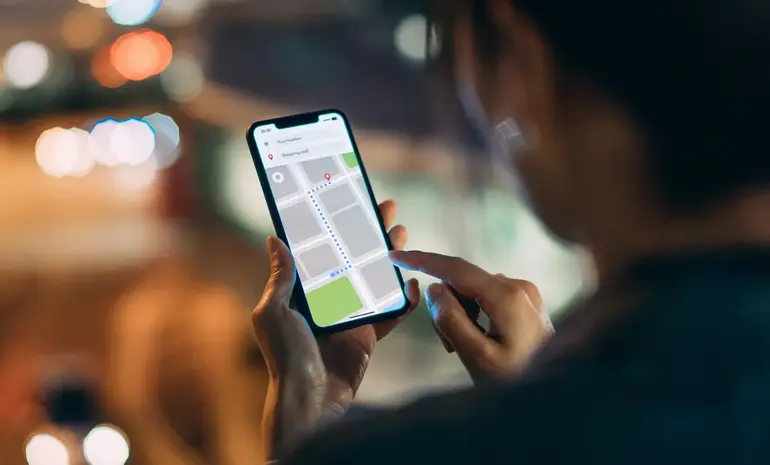
Most smartphones today offer location tracking features that allow owners to view the phone’s approximate location on a map, provided the device is switched on and connected to the internet.
If location services were enabled before the phone disappeared, you may be able to see where it is currently located or where it was last detected before being turned off.
This information can be extremely valuable, especially if the phone was recently lost rather than stolen.
Make the Phone Ring Remotely
Many tracking systems allow users to send a command that forces the device to ring loudly even when it has been placed on silent mode.
This feature is useful when the phone is somewhere nearby but difficult to find. It can help locate devices hidden under furniture, buried in bags, left in vehicles, or forgotten in another room.
People are often surprised by how many supposedly “lost” phones are actually only a few meters away.
Lock the Device Immediately
If you suspect the phone has been stolen rather than misplaced, securing it should become a top priority.
Modern smartphones allow owners to lock their devices remotely. This prevents unauthorized access to personal information, social media accounts, emails, photos, and financial applications.
The sooner you lock the device, the lower the risk that someone else will gain access to sensitive information.
Many tracking systems also allow you to display a message on the lock screen containing contact information so an honest finder can reach you.
Avoid Confronting Suspected Thieves Yourself
If tracking information suggests that your phone is located in a particular area, avoid attempting to recover it alone, especially if theft is involved.
Many people make the mistake of rushing to confront suspected thieves based solely on location data. This can be dangerous because tracking systems are not always perfectly accurate, and confronting strangers can create unnecessary risks.
If you believe the device has been stolen, it is usually safer to involve law enforcement and provide them with the available location information.
Your safety should always come before recovering a device.
Change Important Passwords
Even if your phone is protected by a password, it is wise to change the passwords for important accounts as soon as possible.
Email accounts, social media profiles, cloud storage services, banking apps, and messaging platforms often contain valuable personal information that could be targeted if the device falls into the wrong hands.
Changing passwords quickly creates an additional layer of protection and reduces the likelihood of unauthorized access.
This step becomes especially important if the phone was unlocked at the time it disappeared.
Contact Your Mobile Network Provider
If the phone cannot be recovered quickly, contact your mobile service provider.
The provider may be able to suspend your SIM card temporarily, preventing unauthorized calls, messages, or mobile money transactions from occurring.
This is particularly important if your phone number is connected to financial services, two factor authentication systems, or sensitive accounts.
Acting quickly can prevent criminals from using your number to gain access to other services.
Protect Your Mobile Money and Banking Accounts
For many people, smartphones have become digital wallets.
If your device contains banking apps, mobile money accounts, payment services, or financial information, securing those accounts should be one of your highest priorities.
Contact your financial institutions if necessary and review recent transactions for suspicious activity.
The sooner you act, the easier it becomes to minimize potential financial losses.
Beware of Recovery Scams
Unfortunately, some people become victims of scams after losing a phone.
You may receive messages claiming that your device has been found or that someone can recover it for a fee. Others may send fake login pages designed to steal account credentials.
Be cautious about sharing passwords, verification codes, or personal information with anyone claiming to help recover the phone.
Legitimate recovery efforts should never require you to reveal sensitive account details.
Consider Erasing the Device Remotely
If recovery seems unlikely and sensitive information is at risk, remote data wiping may become necessary.
Many smartphones allow owners to erase personal data remotely. This feature removes stored information from the device, protecting photos, contacts, messages, and other private content.
Although this action may reduce the chances of recovering certain data later, it can prevent much greater damage if the phone remains in unauthorized hands.
The decision often comes down to balancing recovery hopes against privacy concerns.
How to Increase Recovery Chances Before You Lose Your Phone
One of the most effective ways to recover a lost phone is preparation.
Enabling location services, activating tracking features, creating strong passwords, backing up important data, and keeping device information recorded can make a huge difference if the phone ever disappears.
Many people only learn about these features after a loss occurs, when it may already be too late to use them effectively.
A few minutes of preparation today could save hours of stress in the future.
What If the Phone Is Turned Off?
A common frustration occurs when a lost phone suddenly goes offline.
If the device is switched off, tracking may become more difficult, but all hope is not necessarily lost. Some tracking services can still show the last known location before the phone disconnected from the network.
This information may help narrow down where the device was last active and provide useful clues about its whereabouts.
Even when tracking stops, keeping security measures active remains important.
Final Thoughts
Losing a phone can feel overwhelming because smartphones contain so much of our personal and financial lives, but acting quickly and methodically can greatly improve the chances of recovery while reducing the risks associated with unauthorized access.
From calling the device and using built in tracking features to locking accounts and securing sensitive information, every action taken during the first few hours can make a significant difference.
The most important thing to remember is that while phones can often be replaced, your personal safety and private information are far more valuable. If your device ever goes missing, focus first on protecting yourself and your accounts, and then use every available tool to improve the chances of bringing your phone back home.