Ghana’s Beauty Standards Are Shifting in 2026: What Young Ghanaian Women Actually Think

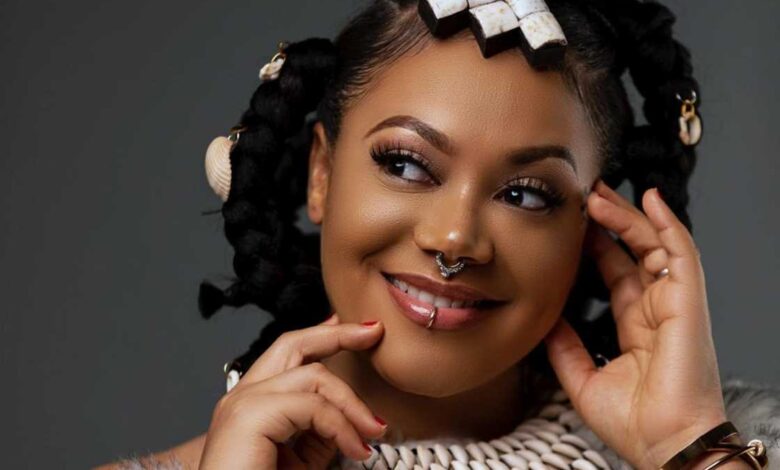
I was told certain things were beautiful growing up. Lighter skin. Straight, relaxed hair. A specific shape held up as ideal. I believed a lot of it without question. Young Ghanaian women today are questioning it out loud. This is what I am seeing change, and what still has not, written as honestly as I can manage.
The Old Standard and Where It Came From
Ghana’s traditional beauty ideal leaned toward lighter skin, a curvaceous figure, and straight hair. A lot of that traces back to colonial influence, not indigenous tradition. Lighter skin got tied to privilege and status during colonial rule. That association did not disappear when colonial rule ended. It just kept circulating, generation after generation, dressed up as personal preference.
It is worth saying plainly. Precolonial Ghanaian beauty ideals were not built around lighter skin at all. That specific hierarchy was imported, then absorbed so thoroughly it started to feel indigenous. Untangling what is actually ours from what was handed to us under pressure is slow, uncomfortable work. It is also necessary work, and I think more Ghanaians are finally willing to do it.
The curvaceous figure part of the old standard tells a different, more interesting story. Unlike the skin tone hierarchy, that particular ideal genuinely does trace back to indigenous Ghanaian tradition, where a fuller figure was historically read as a sign of health, wealth, and fertility, not something to diet away. That part of the old standard has actually held up reasonably well against Western thin-ideal pressure, even as the skin tone conversation stayed painfully unresolved for so much longer.
How Social Media Changed What Beautiful Means in Ghana
Instagram and TikTok cracked something open here. Suddenly, darker-skinned women, natural hair, and a wider range of body types started getting real visibility, not just token representation. Influencers and everyday women alike began pushing back on the old standard, openly and often. That visibility matters. You cannot aspire to something you never see celebrated.
The algorithm plays a strange, double role here too. It can flatten everyone into the same narrow trend just as easily as it can widen what gets seen. What has actually happened in Ghana leans toward the widening, at least so far, and I think that is worth crediting honestly rather than taking for granted.
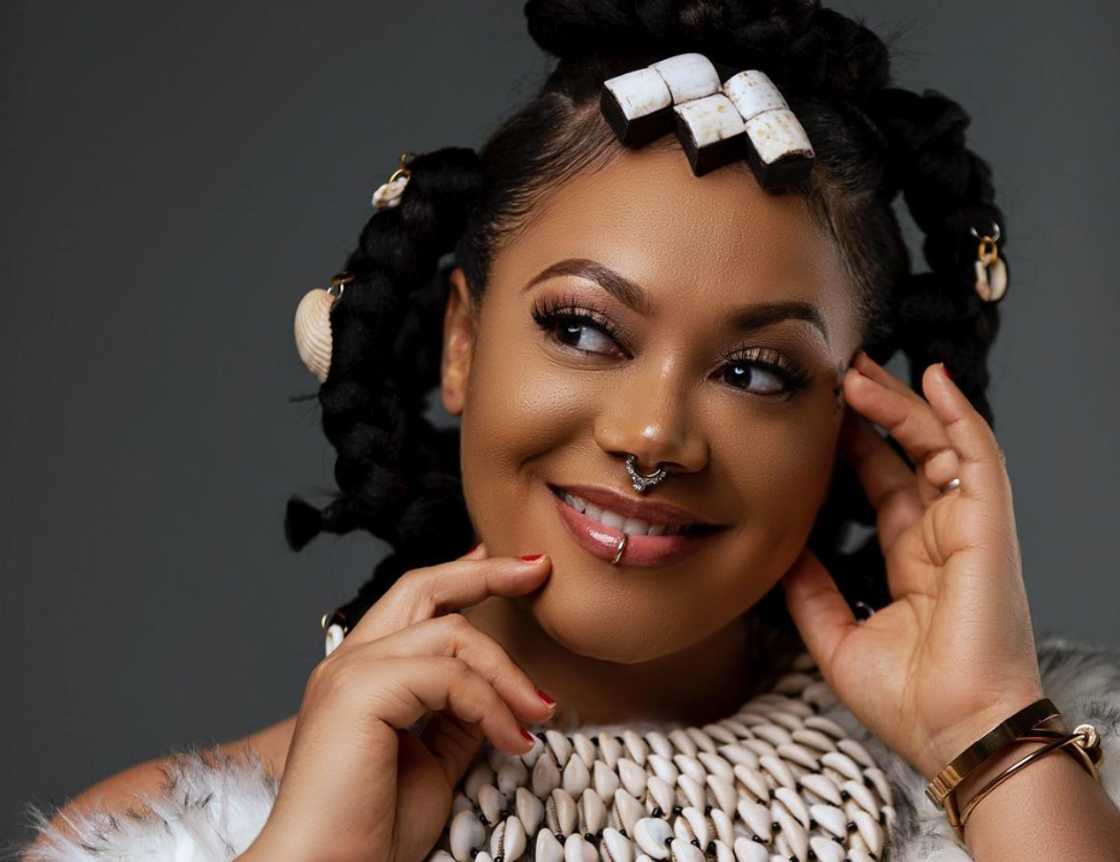
Ghanaian celebrities have played a real part in this too. When a well-known actress or musician appears publicly with natural hair and an unaltered complexion, and gets celebrated for it rather than criticised, that sends a signal far louder than any single influencer post could manage alone.
The Natural Hair Movement in Ghana
Hair carries its own specific history here, tangled up with school rules, workplace expectations, and decades of pressure to relax and straighten before a texture was ever allowed to just be itself.
What Is Driving It in 2026
Younger Ghanaian women are treating natural hair as a genuine statement now, not just a low-maintenance choice. It pushes back directly against decades of pressure to relax and straighten. Wearing your hair as it grows has become its own small, daily act of resistance against a standard a lot of women never actually chose for themselves. It also connects to a wider pride in Ghanaian identity that has grown alongside it, not separately from it.
The Best Natural Hair Salons in Accra Right Now
A genuinely good natural hair salon in Accra treats your texture as the starting point, not a problem to fix. Ask around before booking. Word of mouth from someone with your own hair texture beats any advertisement, every time. A stylist who genuinely understands natural texture will talk you through a realistic maintenance routine, not just sell you a one-time treatment. Watch closely for a salon that pushes chemical relaxers as the default option before you have even asked about them. That is usually a sign they are more comfortable with the old standard than the one you actually came in for.
Ghana’s Best Natural Hair Products and Brands
Look for Ghanaian-made products built specifically around local hair textures and our climate, rather than an imported line repackaged with a Ghana flag on the label. Shea butter and black soap remain genuine local staples for a reason. They worked long before natural hair became a trend, and they still outperform a lot of newer, more heavily marketed alternatives. A growing number of small Ghanaian natural hair brands now sell directly online, often at a fraction of what an imported equivalent costs, with ingredients better suited to our humidity in the first place.
The Skin Bleaching Conversation We Cannot Keep Avoiding
This is the hardest part of this article to write, and I am writing it anyway, because avoiding it would make the rest of this piece dishonest.
Why It Persists Despite Everything
This is not a small or fringe practice. Studies put the share of Ghanaians who bleach their skin somewhere between a quarter and nearly forty percent, depending on the study and the region. It is banned here, yet the products still reach the market. The old Ghanaian saying “ahoofe kasa,” beauty talks, captures the pressure driving it. Lighter skin still reads, unfairly, as a marker of status and desirability to a lot of people, tied historically to marriage prospects and even perceived job opportunities.
The health risk is real and serious, not exaggerated. Products containing hydroquinone or mercury compounds carry genuine risks, including skin damage and a higher long-term cancer risk. This is not a purely cosmetic choice, even when it gets framed that way. Anyone currently using these products deserves real medical guidance, not judgment, and I want to be clear that naming this risk is not the same as shaming anyone caught inside a pressure most of us have felt in some form. The ban on these products exists precisely because the danger is medically established, not a matter of opinion or personal taste.
The Counter-Movement That Is Growing Louder
A real counter-movement has built momentum here, particularly online. Activists and everyday women are pushing back, celebrating a full range of Ghanaian skin tones, from deep ebony to warm caramel, directly and loudly. It has not undone decades of pressure. It has genuinely shifted the conversation, and that shift is worth naming. Campaigns built around dark-skin pride now reach audiences that would have dismissed the message outright a decade ago.
What Gen Z Ghanaian Women Actually Think About Beauty Standards
I wanted this section to be more than my own guess dressed up as reporting, so I actually asked. What follows reflects real conversations, not a script written in advance.
Real Voices — What Women Aged 18-25 Told Abena Xclusive
Younger women I have spoken with are far more willing to say the old standard was wrong, out loud, than the generation before them. They still feel pressure. They just refuse to pretend the pressure is fair. That honesty itself is a real generational shift, even before any single standard fully changes. Several told me the same thing in different words. They are not waiting for permission to feel beautiful anymore. They are simply deciding it for themselves, and letting everyone else catch up.
A few also pushed back on something I had assumed going in. They did not want this framed as a simple, clean victory story. Pressure has not disappeared, they told me. It has just gotten quieter, and sometimes quieter pressure is harder to name and fight than the loud, obvious kind their mothers dealt with.
Men’s Grooming Culture in Ghana Is Changing Too
This part of the shift gets talked about far less, but it is happening in plain sight, at every barbershop and pharmacy counter in Accra.
Skincare and grooming are no longer treated as purely feminine concerns here. More Ghanaian men are investing in skincare routines and grooming openly, without the old stigma attached to caring about appearance. That shift runs alongside the wider conversation, not separate from it. Beauty standards are loosening for everyone, not just women, even if women’s version of that pressure still runs deeper and older. A man buying a proper moisturiser in 2026 barely draws a second look. Ten years ago, that same purchase would have invited real teasing.
Abena Xclusive’s Beauty Standard Verdict
I do not think we have arrived anywhere close to finished. Skin bleaching has not disappeared, and the health risk behind it deserves far more honest, direct conversation than it gets. But something real has shifted. Darker skin, natural hair, and a wider range of bodies are visible now in a way they were not a decade ago. I want my own daughter, someday, to grow up never having to unlearn what I had to unlearn. We are not there yet. We are closer than we were.
Progress like this rarely announces itself with one clean before and after photo. It shows up in smaller ways. A darker-skinned model on a billboard that would not have run one a decade ago. A natural hairstyle worn to a job interview without a second thought. A young girl growing up seeing herself reflected back as beautiful, exactly as she is, without needing to be told twice. Those small moments add up to something real, even when the bigger, harder problems have not gone anywhere yet.