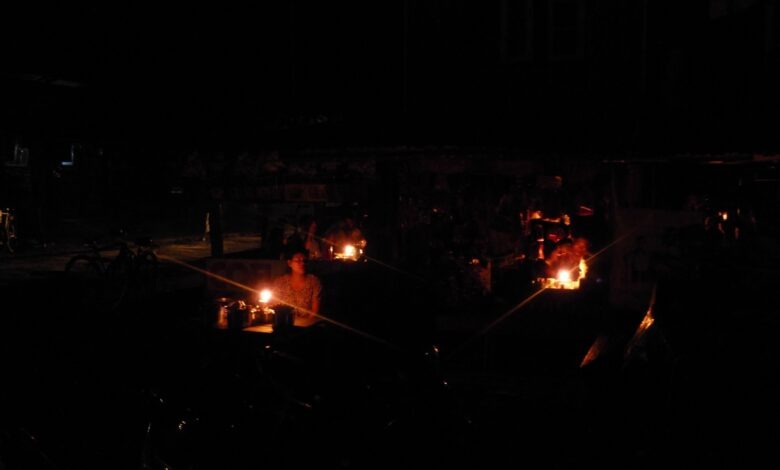
For many people living in Ghana, a sudden power outage is something they have experienced countless times. One moment the lights are on, the television is playing, the fan is cooling the room and the refrigerator is humming quietly. The next moment everything stops. The lights go off, the room becomes silent and daily activities are suddenly interrupted.
Power outages, popularly known in Ghana as dumsor, have become a familiar part of life for many households and businesses. The word dumsor, which comes from the Akan language, simply means “off and on,” describing the repeated loss and return of electricity that many communities experience from time to time.
Although power outages can happen for different reasons, including heavy rainfall, storms, damaged power lines, technical faults or wider electricity supply challenges, the way you respond can make a big difference. Instead of panicking whenever the lights go off, it is much better to stay calm, think clearly and take simple steps that will help protect your family, your home and your electrical appliances.
Being prepared before an outage happens can also reduce stress and make the situation much easier to manage. Here are seven practical ways to stay safe and prepared whenever electricity goes off.
Stay Calm and Find Out What Caused the Outage
The first thing many people do when the lights go out is panic or assume there is a nationwide blackout. However, it is always better to remain calm and take a few moments to understand what has happened.
Look outside through your window or step outside briefly if it is safe to do so. Check whether your neighbours also have no electricity. If nearby houses are also in darkness, the problem is likely affecting the entire area.
On the other hand, if neighbouring homes still have electricity while only your house is without power, the issue may be inside your own property.
Take a moment to inspect your distribution board to see whether a circuit breaker has tripped. Also check your electricity meter, especially if you use a prepaid system, to confirm that you still have enough credit.
These simple checks can help you determine whether the problem is something you can resolve yourself or whether you need to wait for your electricity provider.
Knowing the source of the problem helps you avoid unnecessary worry and allows you to focus on the next steps.
Report the Outage as Soon as Possible
Many people assume that electricity companies automatically know every time power goes off. While this may be true during major blackouts, smaller faults affecting only certain neighbourhoods may not be reported immediately.
If you confirm that the outage is affecting your area, contact your electricity provider without delay.
When making your report, provide as much useful information as possible. Mention your exact location, nearby landmarks and explain what you have observed. Clear and accurate information helps technicians identify the fault more quickly and organise repairs.
It is also useful to stay informed by listening to local radio stations or checking reliable social media pages for updates.
Community WhatsApp groups and neighbourhood communication platforms can also be helpful because residents often share information about expected restoration times or ongoing repair work.
The more informed you are, the easier it becomes to plan your activities during the outage.
Switch Off and Unplug Electrical Appliances
One of the smartest things you can do during a power outage is to switch off and unplug your electrical appliances.
Many people are surprised to learn that the greatest risk sometimes comes not while the electricity is off but when it returns.
When power is restored, voltage fluctuations or sudden power surges can occur. These sudden changes in electricity can damage televisions, refrigerators, computers, air conditioners, microwaves and many other expensive household appliances.
To reduce this risk, unplug sensitive electronics as soon as the outage begins.
Leave only one light switched on so you can easily tell when electricity has returned.
After power is restored, avoid reconnecting everything immediately. Wait a few minutes for the electricity supply to stabilise before plugging your appliances back in one at a time.
Taking these simple precautions can help prevent expensive repair bills and extend the lifespan of your household electronics.
Protect Your Food From Spoiling
Food safety becomes another important concern whenever electricity remains off for several hours.
Because Ghana has a warm climate, food can spoil quickly if refrigerators and freezers lose power for too long.
The easiest way to preserve the cold temperature inside your refrigerator is to avoid opening the door unnecessarily.
Every time the refrigerator door is opened, cold air escapes and warm air enters, causing the temperature inside to rise more quickly.
If the refrigerator remains closed, it can usually keep food safely cold for around four hours.
A full freezer performs even better because frozen foods help keep one another cold. In many cases, a full freezer can maintain safe temperatures for as long as 48 hours if it remains unopened.
If you expect a prolonged outage, consider moving important food items into an insulated cooler with ice packs or bags of ice.
Always inspect food carefully before eating it after a long outage. If something smells unusual, has changed colour or appears spoiled, it is much safer to throw it away than risk food poisoning.
Protecting your family’s health should always come before trying to save food.
Use Candles, Torches and Generators Carefully
Alternative sources of light become very important when electricity goes off, but they must always be used safely.
Many households still rely on candles during power outages. Although candles provide light, they also present a serious fire risk if used carelessly.
Always place candles on stable, heat-resistant surfaces and keep them away from curtains, furniture, clothing and anything else that can catch fire.
Never leave a burning candle unattended, especially if children or pets are present.
Battery-powered lamps, rechargeable lanterns and flashlights are much safer alternatives because they eliminate the risk of accidental fires.
Generators also require special attention.
Never operate a generator inside your home, garage, kitchen or any enclosed space.
Generators produce carbon monoxide, a poisonous gas that cannot be seen, smelled or tasted. Breathing this gas can quickly become life-threatening.
Always place generators outdoors in a well-ventilated area and keep them far away from doors, windows and ventilation openings to prevent exhaust fumes from entering your home.
Using generators properly can protect your family while still providing the electricity you need during extended outages.
Save Your Phone Battery and Stay Connected
During a power outage, your mobile phone becomes one of your most valuable tools.
It allows you to contact family members, receive emergency information, report faults and stay updated on restoration efforts.
Because of this, it is important to use your battery wisely.
Reduce your screen brightness, close applications that are not needed and avoid unnecessary video streaming or gaming while waiting for electricity to return.
Keeping a fully charged power bank at home is also a good idea.
Whenever electricity is available, make it a habit to recharge both your phone and your power bank so they are ready for future outages.
A battery-powered radio can also be extremely useful, especially if internet service becomes unreliable during an extended blackout.
Staying informed helps reduce uncertainty and allows you to make better decisions while waiting for power to be restored.
Turn a Power Outage Into Quality Family Time
Although power outages can be frustrating, they can also provide an unexpected opportunity to slow down and spend meaningful time with family.
Without televisions, computers and other electronic distractions, many families rediscover simple activities they might otherwise overlook.
Parents and children can play board games, tell stories, read books together or simply enjoy conversations that strengthen family relationships.
Some people use the quiet time to organise their homes, write in a journal, pray, meditate or complete household tasks that do not require electricity.
Others choose to sit outside in the evening to enjoy fresh air and interact with neighbours.
While nobody enjoys losing electricity, changing your mindset can make the experience less stressful and even create positive memories.
Preparation Is Always Better Than Panic
Power outages may not always be avoidable, but their impact can be reduced through good preparation and sensible decisions.
Keeping emergency supplies such as rechargeable lamps, batteries, power banks, bottled water, non-perishable food and a first aid kit at home can make a significant difference during unexpected blackouts.
Knowing how to protect your appliances, preserve your food, communicate with electricity providers and use generators safely can help keep your household comfortable and secure.
Most importantly, remaining calm allows you to think clearly and respond effectively instead of reacting out of fear.
Dumsor may continue to be part of everyday life for many households in Ghana, but with the right preparation, every outage becomes much easier to manage. By following these simple safety tips, you can protect your family, safeguard your belongings and make the best of every power interruption until the lights come back on.