Buying Ghanaian fashion feels different now. The quality has caught up. The meaning has grown too. Here are twelve brands actually worth your cedis this year, picked for real craft, not just a good Instagram feed. I spent real time on each one before adding it here. Nothing on this list is a guess.
Why 2026 Is the Best Time to Invest in Ghanaian Fashion
Local labels used to feel like a compromise. Good intentions, uneven execution. That gap has closed fast. Ghanaian brands now collaborate with global names like Off-White and Nike. They dress Afrobeats stars on stage and at award shows. Buying local is no longer a favour. It is simply a good choice.
Every cedi spent locally does something a big international purchase cannot. It stays in the community. It funds the next collection, the next hire, the next young designer’s first proper studio space. That is not a guilt trip. It is just the honest economics behind why this list matters.
Quality control used to be the real gap between Ghana and bigger fashion capitals. Stitching that came loose after one wash. Sizing that never quite matched what you ordered. That gap has narrowed hard this year. Brands here now compete on craft, not just cultural meaning, and that shift alone changes who deserves a spot on a serious shopping list.
The 12 Ghana Fashion Brands Making Noise in 2026
Ghana’s fashion scene splits roughly into four lanes right now. Heritage luxury. Contemporary ready-to-wear. Streetwear. And a growing accessory and genderless design movement. Here is who leads each one.
For Kente and Traditional Wear
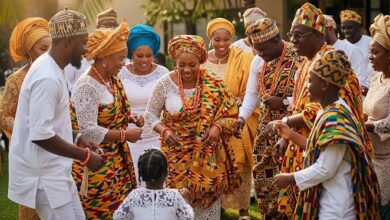
Christie Brown, led by designer Aisha Ayensu, is the name most people mention first. Her House Classics and Star Girl collections reimagine kente with finer thread and muted tones, charcoal, sand, indigo, built for daily wear rather than ceremony alone. It sits firmly at the premium end. Follow the brand directly on Instagram for drop dates and store locations. This is the label most likely to appear in an editorial spread, and the craftsmanship earns that spot honestly. It has also become something of a rite of passage. A lot of Ghanaian women save up for their first Christie Brown piece the way others save for a first designer bag.
Pistis Ghana is another respected luxury name here, known for polished, heritage-rooted ready-to-wear. It shares Christie Brown’s commitment to craftsmanship, with its own distinct aesthetic identity, leaning slightly more minimal in its silhouettes.
EKASA works in the same Kente 2.0 space, favouring muted, tonal palettes over the bold, heavy cloth people associate with formal occasions only. It is a good entry point if you want kente-inspired pieces you can actually wear to work, not just to a wedding. The brand keeps its collections small and deliberate, releasing new pieces slowly rather than chasing constant turnover.
For Contemporary African Fashion
BIIO blends heritage cloth with a younger, gender-fluid design sensibility, part of the newer wave pushing Accra fashion in a more progressive direction. It appeals most to buyers who want their clothing to say something about identity, not just style. It has become a genuine favourite among Accra’s younger creative circles for exactly that reason.
Amaserwaa Clothing focuses on elegant, custom-made pieces for women who want a polished, contemporary look with real Ghanaian identity underneath it. Both bespoke and ready-to-wear options exist, depending on your budget, and the brand is known for genuinely careful attention to fit. A lot of clients come back for a second and third piece once they trust the fit the first time around.
Atto Tetteh, founded by menswear designer George Tetteh in 2014, sits at the premium end for men specifically. Bold, colourful, unmistakably African tailoring, built around the belief that Ghanaian men have always understood fashion. It is a strong pick for a man who wants a statement piece for a real occasion, something that will get noticed the moment he walks into a room.
For Streetwear and Casual Wear
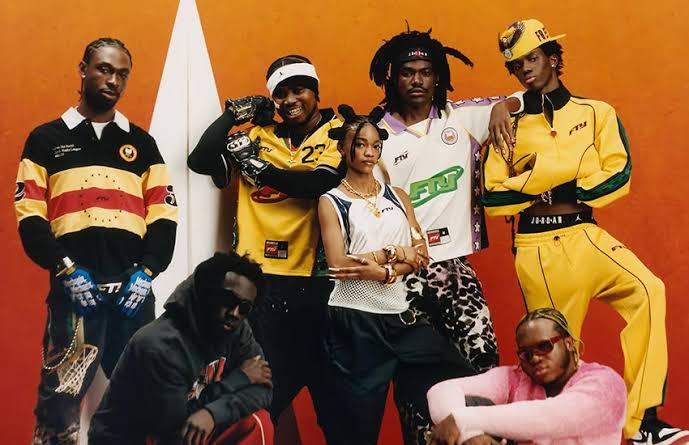
Free The Youth is Ghana’s best-known streetwear export. Founded in 2015, it built its name on affordable pricing and real community roots, then earned collaborations with Off-White, Daily Paper, and Nike’s Jordan Brand along the way. Davido, Wizkid, and Stormzy have all worn its pieces. It remains deliberately accessible in price, a choice the brand made on purpose, prioritising the community that built it over short-term profit margins. That choice is exactly why it earned real credibility before the international attention ever arrived.
FPG, short for Firepongenna, has been running since 2015. Hoodies, beanies, tracksuits, all built around celebrating Ghanaian culture directly rather than just chasing a global streetwear look. Its designs read as unmistakably Ghanaian even at a glance, and the brand has stayed close to its founding identity without watering it down for a wider audience.
Common FTR, led by founder Omimi Okere, is one of Accra’s faster-rising streetwear labels, built specifically around youth culture and an unapologetic creative energy. It is one to watch closely over the next year as it builds out its catalogue. Early drops sold out fast, a strong early signal for a brand still finding its full footing.
For Accessories and Genderless Design
Palm Wine Ice Cream, from British-Ghanaian designer Kusi Kubi, sources material directly from Kantamanto Market. Gold and leather run through everything, a direct nod to Ashanti heritage, reworked into genderless, statement pieces. It is one of the clearest examples of how thrift material can become genuinely high fashion in the right hands. Nothing here is mass-produced, and it shows in the price and in the wait time for a custom piece.
JKU Creations works in handmade macramé and crochet, blending traditional craft with modern silhouettes. It ships worldwide, and it has built real buzz at Accra Fashion Week, thanks to intricate, texture-heavy pieces that photograph as well as they wear. Each piece takes real hours to make, and the brand is upfront about that labour rather than pretending it can turn pieces around overnight.
Threaded group sources materials from across the continent and designs everything in Accra. Fully unisex, built for anyone to wear, regardless of how they identify. It fits naturally alongside the genderless design wave BIIO is also part of, and it has quietly become a favourite among Accra’s younger creative crowd for exactly that reason.
Where to Find and Buy These Brands
Knowing where to actually buy matters as much as knowing the names themselves. Here is how to find each one without getting scammed by a fake reseller in the process.
Their Websites and Social Media
Most of these brands sell directly through Instagram or their own websites now. That direct route usually gets you the freshest stock and the most accurate sizing information straight from the source. It also means less risk of buying a fake or a poor imitation from an unrelated reseller account.
Physical Stores in Accra and Kumasi
Christie Brown and several other established names keep physical showrooms in Accra, concentrated mostly around Osu and East Legon. Newer streetwear labels tend to rely more on pop-ups and online drops than a permanent shop, so following their pages closely matters if you want first access. Kumasi has fewer standalone stores from these specific labels, though several ship there directly on request. A trip to Osu alone can cover three or four of the names on this list in a single afternoon, which makes it worth planning as one deliberate shopping trip rather than several separate ones.
What Price Points to Expect When Shopping Local
Streetwear labels like Free The Youth and FPG stay intentionally accessible, priced to keep the local community buying, not just international customers. Luxury houses like Christie Brown and Pistis Ghana sit at a genuinely premium level, closer to what you would pay for a designer piece anywhere else in the world. Accessory and craft-driven brands like JKU Creations tend to land somewhere in between, priced around the real labour that goes into handmade work. Budget accordingly, and remember that a higher price here usually reflects real material and real hours, not just a marked-up logo.
What Makes a Ghana Brand Great — The Editorial Standard
I judge a Ghanaian brand on three things. Does it actually use real Ghanaian technique, not just a printed reference to one. Does it treat its local customers as seriously as any international buyer. And does it hold up in person, not just in a photo. Every brand on this list passes all three. Some barely, some easily, but all twelve earned their place.
A fourth, quieter test matters too. Does the brand employ real Ghanaian tailors, weavers, and artisans, or does it simply slap a Ghanaian name on production done somewhere else entirely. Every brand here passes that test as well. That is not a small thing in an industry where shortcuts are easy to hide.
Abena Xclusive Editor’s Favourite Pick for 2026
If I had to choose one, it would be Free The Youth. It built real credibility here first, kept its prices honest, and only then let the global attention follow. That order matters to me more than any single collaboration on its resume. A brand that respects its home market before it chases the world abroad is a brand worth trusting long term, not just for one good season.
This list will change next year. New names will earn a spot. A few current ones may fade. That is normal for any fashion scene growing this fast. What will not change is the standard I judge them by. Real craft first. Real respect for the people who buy from you here at home. Everything else, the collaborations, the global press, the runway moments, should follow that foundation, not replace it.
If you take one thing from this list, let it be this. Supporting these twelve brands is not charity. It is simply recognising good work, made close to home, by people building something real. Buy accordingly, and wear it proudly.