
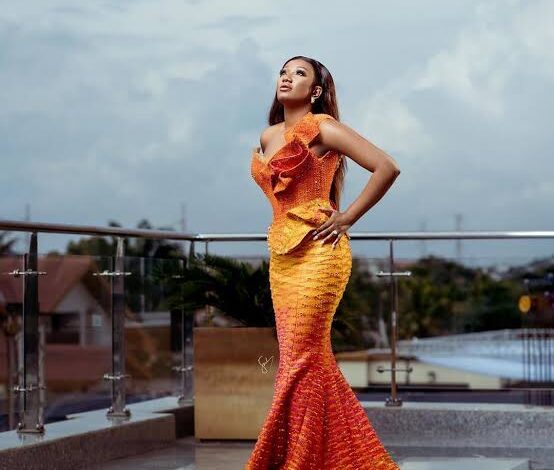
I grew up watching how Ghanaian women dressed. My mother. My aunties. The women at church on Sunday. Now I watch Accra’s streets instead. The style has changed. The confidence has not. If anything, it has gotten louder, and I mean that as a compliment.
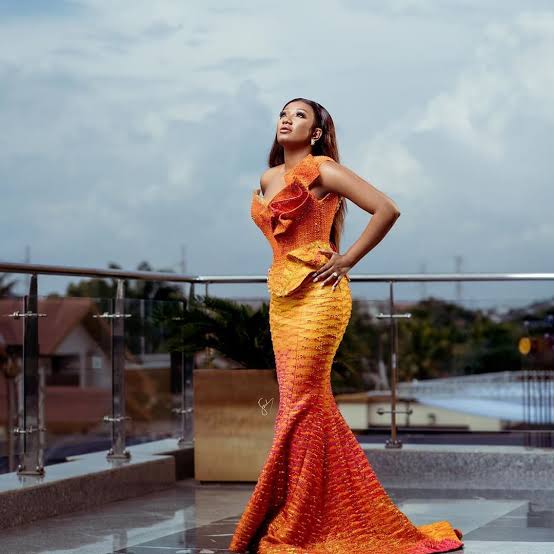
Why Ghana Fashion Has the World’s Attention in 2026
Accra dressing has stopped asking for permission. It used to look outward, toward Lagos, toward London, toward whatever counted as global fashion that season. Not anymore. Designers here now build for a local audience first. The world just happens to be watching too.
Part of this shift comes from Accra’s own recent history. Since the Year of Return, thousands of people from the diaspora have relocated here. Many are under thirty. They brought their own wardrobe habits and their own fashion references. Those references now sit next to Ghanaian ones on the same street, in the same outfit, without one cancelling the other out. That mix is new. It is also, I think, exactly why Accra feels so alive right now.
The Trends Dominating Accra Right Now
Four things are shaping how Accra dresses this year. Kente is getting reworked for everyday wear. Kantamanto’s thrift culture keeps training a new generation of stylists. Ankara is trading busy prints for cleaner structure. And streetwear, powered by local labels and a growing sneaker culture, is pulling in influences from music and skate scenes worldwide, then making them unmistakably Ghanaian.
None of these trends exist in isolation. A single outfit on the street today might combine all four. A reworked kente jacket. A thrifted pair of trousers from Kantamanto. Clean Ankara accents at the collar. Fresh sneakers underneath. That layering is the real signature of Accra style right now, more than any single fabric or brand.
The Kente Resurgence — Modern Cuts, Traditional Cloth
Kente is having a real moment. Not the old, formal, occasion-only version. A newer one. Designers like Christie Brown are reworking kente into everyday pieces. Some call it Kente 2.0. The cloth stays sacred. The silhouette gets modern. You will see it now on a blazer, not just a ceremonial wrap, and it still stops people on the street. Even a small kente panel, sewn into a sleeve or a collar, carries real weight. It tells everyone looking that you know exactly where you come from.
Kantamanto Thrift Culture and How It Became Cool
Kantamanto is the largest secondhand clothing market in West Africa. About 15 million garments move through it every week. Young stylists treat it like a design school. They source raw material there, then rework it into something nobody else is wearing. A fire tore through the market in January 2025. It destroyed 9,000 stalls. It cost lives and livelihoods. The market rebuilt anyway. So did the culture built around it. That resilience is part of the story now too, not just the bargains. Traders sort every bale by hand, deciding what gets resold, what gets altered, and what gets tailored into something new. That sorting eye, sharpened over years, is exactly what makes Kantamanto graduates such skilled stylists once they move beyond the market itself.
Ankara Going Minimalist and Structured
Ankara used to mean bold and busy. Now a lot of young designers are pulling it toward something cleaner. Structured cuts. Fewer competing prints. It still reads as unmistakably African. It just does it more quietly, letting the fabric speak instead of shouting through five patterns at once.
The Streetwear and Sneaker Wave Hitting Ghana’s Youth
Local streetwear labels like FAMÖUS and Complex Department are growing fast. Oversized fits. Bold graphics. A lot of it draws from global skate and music culture, then filters it through a distinctly Ghanaian lens. You see it most in Accra’s arts districts, where young creatives move between studios, shows, and late nights out. Sneakers matter here too, and a well-chosen pair still carries as much social weight as the outfit around it.
Accra vs Kumasi vs Takoradi — Does Style Differ Across Ghana?
Accra moves fastest. It absorbs global trends quickly, then Ghanaianises them within weeks. Kumasi leans more traditional, more rooted in Ashanti cloth culture. Takoradi sits somewhere in between, shaped by its own coastal, oil-town identity. None of these cities dress wrong. They just dress like themselves. A woman in Kumasi wearing full traditional cloth on an ordinary Tuesday is not behind the trend. She is simply working from a different starting point than someone in Osu.
I think this regional variety gets flattened too often, especially by outsiders looking in. People want one single story called “Ghana style.” There is not one. There are several, running at the same time, shaped by different histories and different local pride. That is a strength, not a contradiction.
The Ghana Designers Shaping the Conversation
Two tiers of names matter here. The established designers who opened the door internationally, and the emerging ones walking through it right now, building on that foundation with their own distinct voice.
Why These Names Matter Beyond Fashion Weeks
A designer succeeding internationally does more than sell clothes. It changes how young Ghanaians see their own culture. A teenager in Accra watching Jude Dontoh dress a global star for the Met Gala learns something. Ghanaian craft belongs anywhere in the world. That lesson matters as much as any single garment.
The Established Names
Ozwald Boateng, British-Ghanaian, redefined tailored menswear years ago with Afrocentric patterns woven into a classic Savile Row cut. His influence still runs through how a lot of Ghanaian menswear designers approach structure today. Christie Brown remains one of the most respected names locally, known for reimagining Ghanaian silhouettes through a modern, feminine lens. Both designers proved something important early on. Ghanaian fashion did not need to shrink itself to be taken seriously on a global stage. It just needed the right platform.
The Emerging Designers to Watch
David Kusi Boye-Doe, working under the label BOYEDOE, became the first Ghanaian semi-finalist for the LVMH Prize. That is a genuinely massive marker of international recognition. Jude Dontoh, of group of God, styled Lauryn Hill for the Met Gala, and earned a spot among the night’s best-dressed. Chloe Asaam has built a name around slow, upcycled design, treating clothing as a personal story rather than a passing trend. BIIO and Threaded group round out a younger wave pushing gender-fluid silhouettes and recycled materials into the same conversation as heritage cloth. None of these names are chasing a single global trend. They are each building something specific, and that specificity is exactly what is getting noticed abroad.
Where to Shop in Ghana — Online and Physical
Accra’s Best Fashion Streets and Markets
Kantamanto remains the starting point for anyone serious about Accra style, thrift or otherwise. Makola Market sits nearby and pulls its own crowd. Osu and Labone carry a more polished, boutique feel, good for finished pieces rather than raw material to rework. East Legon leans quieter and more upscale, home to some of the city’s newer concept stores. James Town, meanwhile, holds onto a handcrafted, artisan spirit that has become its own kind of style statement for people who want something nobody else in the room is wearing.
Ghana Online Fashion Stores Worth Trusting
A growing number of Ghanaian designers now sell directly through Instagram and dedicated websites, cutting out the need to visit a physical shop at all. It is worth following a designer’s own page directly rather than trusting a reseller account you cannot verify. A verified account with real customer photos and a track record of actual deliveries is worth far more than a flashy page with no history behind it.
How to Build a Stylish Ghanaian Wardrobe on a Real Budget
Start at Kantamanto. Build your base wardrobe there, cheaply, then invest slowly in a few well-made local pieces once you know your own style. Do not try to buy an entire wardrobe from a designer label all at once. Nobody builds real style that way, and nobody’s budget survives it either.
Think in layers instead of a full outfit at once. A single well-chosen kente or Ankara accessory can transform three or four thrifted basics on its own. Save the bigger designer investment for one genuine statement piece a year, something you will actually wear for a decade, rather than five smaller purchases you forget about within a season. That is how a lot of the most stylish people I know in Accra actually shop, whatever their budget looks like.
Abena Xclusive’s Style Verdict for the Rest of 2026
Ghana fashion right now is not chasing a trend. It is building an identity, piece by piece, from Kantamanto stalls to LVMH shortlists. That range is the whole story. A market trader and a global prize semi-finalist are pulling from the same well. I think that is worth being proud of, loudly, and I plan to keep dressing like I am.
What excites me most is that none of this required outside permission. Accra did not wait to be discovered. It kept building, kept experimenting, kept dressing for itself first. The recognition followed. That order matters, and I hope the next wave of designers here remembers it, even once the global attention gets louder.

