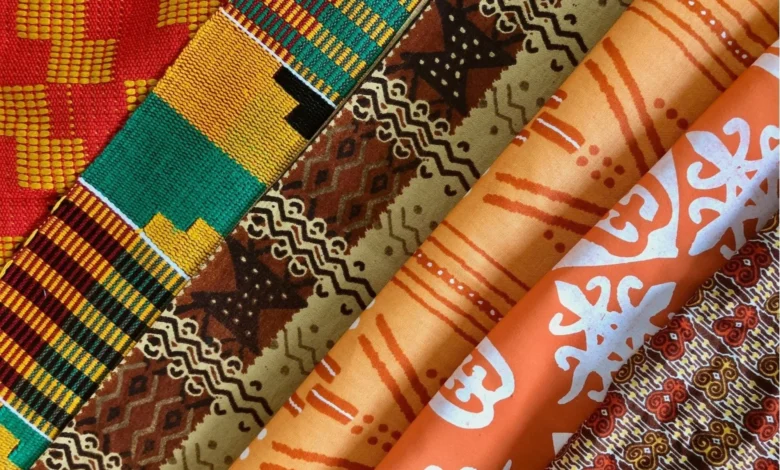
I hear this question constantly. What is actually the difference between these fabrics? This is the definitive Ghana-market answer, no confusion left standing, written the way I would actually explain it to a friend at the market.
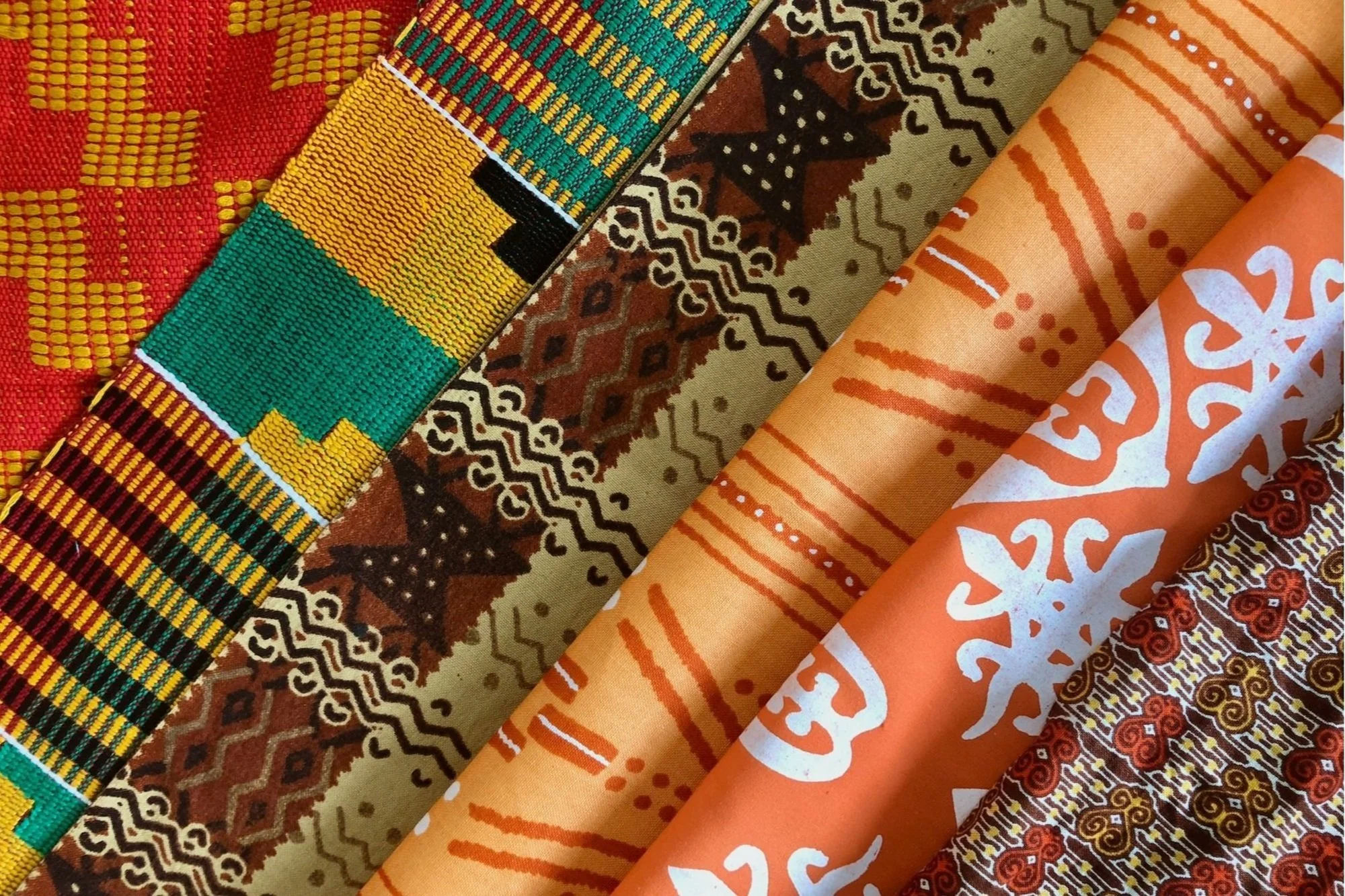
Three Fabrics, Three Different Stories
Ankara, kente, and batik get lumped together often, as though they are all the same thing wearing different colours. They are not. Each one carries its own history, its own technique, its own reason for existing. Knowing the difference changes how you shop, and how you wear each one. It also changes how you talk about them, which matters more than people realise when a mistake in that conversation can read as a real cultural misstep.
Ankara — What It Is and Where It Really Comes From (Not Africa)
Ankara vs Dutch Wax — The Real History Most People Do Not Know
Ankara did not start in Africa. Dutch entrepreneur Pieter Fentener van Vlissingen mechanised a version of Indonesian batik in the 1800s, hoping to sell it back in Indonesia. Indonesian buyers rejected it. It lacked the real batik’s quality and its distinctive wax smell. Dutch and Scottish traders then brought the fabric to West African ports instead, around 1880. It found a real home here that it never found in Asia, in a twist of trade history most people wearing the fabric today never learned.
One detail makes the story distinctly Ghanaian. A group of West African soldiers, called Belanda Hitam, served in the Dutch colonial army in Indonesia, then retired to Elmina, in modern Ghana. Their taste for the fabric is thought to have helped drive its early success on this coast specifically. Vlisco, the company that grew out of that original mechanised imitation, still owns Ghana-based textile manufacturers today, over a century and a half later.
How Ankara Became the Dominant African Fashion Fabric Anyway
Despite its Dutch, imitation-batik origins, Ankara became genuinely African through use, not through where it was made. After independence, production began shifting onto the continent itself. Designs shifted too, taking on political symbols and independence-era pride. The fabric got claimed and remade, again and again, until it stopped reading as foreign at all. That is not a small thing. A fabric born from a failed sales pitch to Indonesia ended up becoming one of the most recognisable symbols of African identity worldwide, entirely because West African buyers decided what it would mean.
Ankara in Ghana Fashion Right Now
Ankara remains the most versatile of the three fabrics. It works for everyday wear, for church, for a night out, in a way kente rarely does. Designers here keep reworking it into cleaner, more structured cuts this year, moving it further from its printed-and-busy reputation. That versatility is exactly why it dominates everyday wardrobes here, even among people who own genuinely beautiful kente they save for special occasions alone.
Kente — Ghana’s Own
Quick Guide to Kente Types
Kente is genuinely Ghanaian, not imported and reclaimed like Ankara. Ashanti kente comes from strip weaving centred on Bonwire. Ewe kente comes from its own tradition centred on Agotime-Kpetoe in the Volta Region. Read the full breakdown in our dedicated kente guide for the complete pattern and meaning system. That article covers what each individual pattern actually means, which is a far deeper conversation than this one has room for.
When and Why Kente Over Ankara
Reach for kente when the occasion actually calls for cultural weight. A wedding. A funeral. A festival. Kente carries meaning Ankara simply does not, since Ankara’s patterns are decorative, not name-and-story coded the way kente patterns are. Wearing kente to an occasion that does not call for it can read as overdressed in a specific, culturally loaded way. Wearing Ankara to an occasion that calls for kente can read as underprepared. Knowing the difference matters more than people realise until they get it wrong once.
Batik — The Underrated Third Option
Ghana’s Batik Tradition and Where It Comes From
Batik is the original wax-resist technique, developed by hand in Indonesia long before the Dutch tried to mechanise it into what became Ankara. Ghana has its own batik tradition too, hand-applied wax-resist dyeing, distinct from the industrially printed Ankara most people know better. It gets far less attention than it deserves. Local artisans apply wax by hand, dye the cloth, then remove the wax to reveal the pattern underneath, a slower, more deliberate process than anything Ankara’s roller-printing machines could replicate.
Where to Find Quality Batik in Ghana
Look for genuinely hand-applied wax-resist work, not a printed imitation sold under the batik name. A real batik piece often shows small, deliberate imperfections in the pattern, proof of an actual human hand behind it rather than a roller machine. Those small irregularities are not a flaw. They are the entire point, and a seller who cannot explain that distinction probably does not understand what they are actually selling you.
When to Wear Which Fabric
Formal and Ceremonial Occasions — The Guide
Kente for anything with real cultural or family weight. Batik for a distinctive, artisanal formal look outside strict tradition. Ankara for a smart, colourful choice that still reads as put-together without carrying ceremonial expectation. When genuinely unsure which fits an occasion, ask a family member first. A quick question beats an awkward moment on the actual day.
Casual and Everyday Wear — What Works Where
Ankara wins here easily. It is durable, washable, and endlessly reworkable into everyday pieces. Batik works well for a casual piece with more texture and story than a plain Ankara print. Kente stays reserved for its proper occasions, even in its more modern, everyday-friendly cuts. A small kente accent, on an otherwise Ankara or plain outfit, is the closest most people get to wearing it casually, and even that deserves a little thought before you reach for it.
Shopping Guide — Where to Buy All Three in Accra and Kumasi
Ankara is everywhere, from Makola Market to countless boutique shops across both cities. Kente is best sourced from Bonwire directly, or from a trusted, verified seller elsewhere. Batik takes more searching, since fewer sellers carry genuinely hand-applied pieces. Ask directly before buying, at every stall, for every fabric. A seller who cannot explain what you are buying is rarely worth trusting with your money.
Prices vary sharply across all three. Ankara stays the most affordable, widely available in a range of qualities to fit almost any budget. Kente sits at the top end, particularly for a full, hand-woven ceremonial cloth. Batik lands somewhere in between, priced around the genuine labour of hand application, though a market vendor selling a printed imitation as batik will try to charge closer to the real thing. Compare a few sellers before committing to a larger purchase, and trust your eye for irregularities over a confident sales pitch.
Abena Xclusive’s Fabric Verdict — Which to Build Your Wardrobe Around
Build your everyday wardrobe around Ankara. Save kente for the moments that actually deserve it. And keep an eye out for batik, because it deserves far more attention than it currently gets in Ghana’s own fashion conversation. All three tell a real story, once you know how to read it.
If I had to leave you with one habit, it would be this. Before you buy any of these three fabrics, ask one simple question. What is this, and where did it actually come from. Sellers who can answer confidently are usually selling you something real. Sellers who cannot are usually selling you a shortcut. Your wardrobe, and the culture behind it, deserves better than a shortcut.