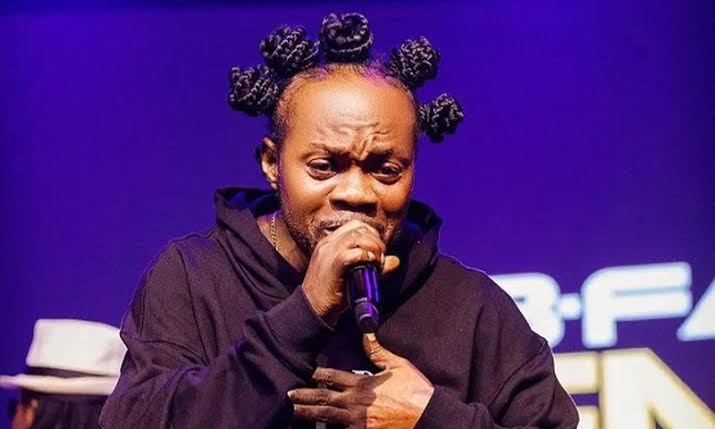
Ghana has produced many talented musicians over the years, but very few have left a mark as deep and lasting as Charles Kwadwo Fosuh, affectionately known as Daddy Lumba. For more than three decades, he entertained millions of fans with songs that spoke about love, heartbreak, family, money, hope and everyday life. His smooth voice, unforgettable lyrics and unique style helped shape modern highlife music and earned him a special place in the hearts of Ghanaians and music lovers around the world.
Although the legendary musician is no longer with us, his music continues to inspire new generations. His songs remain popular on radio stations, streaming platforms, family gatherings, weddings, parties and social events. Whether someone was celebrating a joyful moment or going through a difficult period, there was almost always a Daddy Lumba song that perfectly matched the occasion.
His remarkable ability to tell stories through music made him one of Ghana’s greatest songwriters. Every album he released carried songs that connected with people from different backgrounds, proving that great music has no age limit.
Here are ten unforgettable Daddy Lumba songs that continue to remind the world why he remains one of the greatest musicians Ghana has ever produced.
1. Aben Wo Ha (1998)
There is hardly any Daddy Lumba song that generated as much conversation as Aben Wo Ha. Released in December 1998, the song quickly became one of the biggest highlife hits in Ghana.
Shortly after its release, the song attracted widespread attention because of its playful and suggestive lyrics. Some people believed it should not receive regular airplay, while others argued that it was simply entertainment. Despite the controversy, or perhaps because of it, the song became even more popular across the country.
Its catchy chorus made it impossible to ignore. Whether at football stadiums, weddings, parties or political gatherings, people could easily be heard singing along whenever the song played.
The song’s popularity reached another milestone when it won Song of the Year at the 2000 Ghana Music Awards. More than two decades later, Aben Wo Ha remains one of the most recognised songs in Ghana’s music history and is often considered Daddy Lumba’s signature hit.
2. Theresa (1990)
Among Daddy Lumba’s most emotional songs is Theresa, a heartfelt tribute to someone who played a major role in his early life.
The song tells the story of Theresa Abebrese, who was reportedly his high school sweetheart. According to the story behind the song, she encouraged his musical dreams and even helped him financially when he travelled to Germany to pursue his career.
Rather than simply writing a love song, Daddy Lumba created a lasting expression of gratitude through music. The gentle highlife rhythm, combined with sincere lyrics, allowed listeners to feel the deep appreciation behind every word.
Featured on his debut solo album, Theresa introduced many music lovers to Daddy Lumba’s exceptional storytelling ability. It remains one of his most respected songs because it combines personal history with beautiful musical composition.
3. Yentie Obiaa (2014)
Even after decades in the music industry, Daddy Lumba proved he could still produce songs that connected with a new generation.
Released in 2014, Yentie Obiaa, which means “We Won’t Listen to Anyone,” became one of the biggest songs of the decade.
Its powerful message encouraged people to remain confident and ignore unnecessary criticism from others. The song quickly became an anthem for many Ghanaians who believed in following their own path despite public opinion.
The track gained even more popularity during the presidency of John Dramani Mahama, when it was frequently played during several of his public appearances.
Today, many people still relate to its message, especially in an era where social media often exposes individuals to constant criticism and pressure.
4. Poison (2001)
Daddy Lumba was never afraid to discuss difficult subjects through his music, and Poison is one of the strongest examples of that courage.
Released in 2001, the song explores betrayal, jealousy and emotional pain within relationships.
Its emotional lyrics immediately captured the attention of listeners who had experienced heartbreak or disappointment. Many fans admired the honesty with which Daddy Lumba described complicated emotions that people often struggle to express.
Although the song sparked debate because of its bold message, it became one of the most successful songs of its time and received extensive radio airplay throughout Ghana.
The success of Poison demonstrated once again that Daddy Lumba could transform painful experiences into unforgettable music.
5. Sika Asem
Money has always played an important role in people’s lives, and Daddy Lumba addressed this reality through Sika Asem.
The title simply means “Money Matters,” and the song examines how money influences relationships, friendships and society.
Rather than celebrating wealth, the song encourages listeners to think carefully about the power money holds in everyday life.
Its energetic highlife rhythm made it enjoyable to dance to, while the lyrics gave listeners something meaningful to reflect upon.
Years after its release, Sika Asem continues to be mentioned whenever discussions arise about money, relationships and social status in Ghana.
6. Ankwanoma
Ankwanoma is one of Daddy Lumba’s most beautiful love songs and demonstrates his maturity as both a songwriter and vocalist.
The word “Ankwanoma” means eagle in the Akan language and is used symbolically to explore themes of love, strength and emotional freedom.
Unlike many fast-paced dance songs, this track allows listeners to appreciate the beauty of its melody and thoughtful lyrics.
The combination of traditional highlife instruments and modern production techniques reflected Daddy Lumba’s ability to evolve with changing musical trends while remaining true to his roots.
Because of its romantic message, Ankwanoma continues to be played at weddings, engagement ceremonies and other celebrations of love.
7. Doctor Panee (1998)
Another memorable song from the famous Aben Wo Ha album is Doctor Panee.
The song uses humour and creative storytelling to discuss emotional and romantic struggles through medical expressions.
Daddy Lumba’s clever use of language made the song entertaining while also delivering meaningful advice about relationships and life.
Its lively beat encouraged people to dance, while the memorable chorus made it easy for audiences to sing along.
Even today, many fans still regard Doctor Panee as one of the highlights of one of Daddy Lumba’s most successful albums.
8. Dangerous (1998)
Dangerous stands out because it features more English lyrics than many of Daddy Lumba’s other songs.
The song discusses deception and heartbreak while warning listeners to be careful in romantic relationships.
Its upbeat rhythm and international sound helped attract younger audiences and listeners beyond Ghana.
By blending traditional highlife with contemporary musical influences, Daddy Lumba showed that Ghanaian music could appeal to a much wider audience without losing its identity.
More than twenty years after its release, Dangerous remains a favourite at parties, family gatherings and old school music events.
9. Akoma Da Akoma So
Few songs capture the emotions of love as beautifully as Akoma Da Akoma So.
Translated as “Heart to Heart,” the song focuses on the deep emotional connection shared between two people in a relationship.
Its touching lyrics speak about trust, commitment and enduring affection, making it one of Daddy Lumba’s most romantic recordings.
The gentle melody allows listeners to appreciate the emotional depth of the song, which explains why it continues to be played during engagements, weddings and traditional marriage ceremonies across Ghana.
Many fans consider it one of the finest examples of Daddy Lumba’s remarkable ability to express love through music.
10. Auntie Atta
Completing this list is Auntie Atta, a song that reflects Daddy Lumba’s playful personality and outstanding storytelling ability.
The track celebrates everyday Ghanaian life through humour, memorable characters and relatable experiences.
Its lively rhythm and entertaining lyrics have made it especially popular among older generations who grew up listening to Daddy Lumba’s music.
For many listeners, the song brings back memories of childhood, family gatherings and simpler times.
Its continued popularity on radio stations and classic highlife programmes shows that truly great music never loses its appeal.
Daddy Lumba’s Music Will Continue to Inspire Future Generations
Daddy Lumba’s contribution to Ghanaian music goes far beyond album sales and awards. Through his songs, he documented love, joy, disappointment, hope, success and the everyday experiences of ordinary people. His music became part of Ghana’s cultural identity and accompanied millions of people through different stages of life.
His ability to combine meaningful lyrics with unforgettable melodies allowed him to remain relevant for more than thirty years, a remarkable achievement in an industry that changes constantly. Few musicians have managed to connect with several generations the way Daddy Lumba did.
Even though the legendary highlife icon is no longer alive, his voice continues to echo through homes, radio stations, streaming platforms and celebrations across Ghana and beyond. Every time one of his songs begins to play, memories return, emotions are awakened and new listeners discover the timeless brilliance of one of Africa’s greatest musical legends.
Daddy Lumba may have left the stage, but his music has earned him a place in history that will never fade. His unforgettable songs will continue to entertain, comfort and inspire generations of music lovers for many years to come.