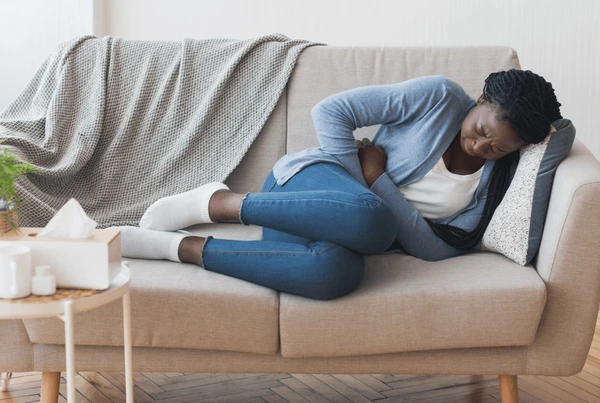
For many women, periods are more than just a monthly inconvenience — they can bring along intense cramps, lower back pain, bloating, and fatigue that make even simple tasks feel impossible. If you’ve ever found yourself curled up in bed with a heating pad wondering why your body hurts so much, you’re not alone.
Painful periods, known medically as dysmenorrhea, affect millions of women worldwide. While some degree of discomfort is normal, severe menstrual pain isn’t something you should just “tough out.” Understanding the causes can help you manage it better and even prevent it altogether.
Let’s take a closer look at what causes painful periods and what you can do to stop them naturally and effectively.
What Exactly Causes Period Pain?
Period pain happens when the muscles in your uterus contract to help shed its lining. These contractions are triggered by hormone-like substances called prostaglandins. When prostaglandin levels are high, the uterus contracts more strongly, reducing blood flow and causing pain.
But that’s just one part of the story. There are also several underlying factors that can make period pain worse.
1. High Levels of Prostaglandins
Prostaglandins are chemicals your body releases during menstruation to help the uterus contract and shed its lining. While they’re essential, too many prostaglandins can cause stronger contractions and even inflammation — leading to cramps that radiate through your lower back, abdomen, and thighs.
How to manage it:
Eat foods rich in omega-3 fatty acids (like salmon, flaxseeds, and walnuts) — they help reduce inflammation.
Cut down on processed foods, caffeine, and red meat, which can increase prostaglandin production.
Regular exercise can also lower prostaglandin levels naturally.
2. Hormonal Imbalance
An imbalance in estrogen and progesterone can intensify menstrual pain. Too much estrogen, for instance, can lead to a thicker uterine lining and stronger contractions during menstruation.
What helps:
Maintain a balanced diet with fiber-rich foods that support hormone regulation.
Manage stress through meditation or deep breathing — stress hormones can disrupt reproductive hormones.
If your periods are consistently heavy or irregular, consult your doctor about checking your hormone levels.
3. Endometriosis
Endometriosis occurs when tissue similar to the uterine lining grows outside the uterus — on the ovaries, fallopian tubes, or other pelvic areas. This condition can cause severe menstrual pain, pelvic inflammation, and even fertility problems.
Common symptoms include:
Pain before and during your period
Heavy bleeding or spotting between periods
What you can do:
Endometriosis requires medical diagnosis and management. Treatments range from pain medication and hormone therapy to, in some cases, surgery. Lifestyle support — like anti-inflammatory diets and gentle exercise — can also help relieve symptoms.
4. Uterine Fibroids
Fibroids are noncancerous growths in or around the uterus. While they’re common, some fibroids can cause painful, heavy periods by putting pressure on the uterus or disrupting normal contractions.
If you have fibroids, you might notice:
Long, heavy menstrual bleeding
Pressure in your lower abdomen
Lower back pain
Treatment options:
Depending on their size and symptoms, fibroids can be managed through medication, dietary changes, or minimally invasive procedures. A gynecologist can guide you toward the best option.
5. Pelvic Inflammatory Disease (PID)
PID is an infection of the female reproductive organs, often caused by sexually transmitted bacteria. It can lead to chronic pelvic pain, especially during your period.
Symptoms may include:
Lower abdominal pain
Fever
How to treat it:
Antibiotics are necessary to clear the infection. If left untreated, PID can cause scarring and fertility problems. Practicing safe sex and regular medical checkups are essential for prevention.
6. Cervical Stenosis
Some women have a naturally narrow cervical opening, which can restrict menstrual flow. This causes a buildup of pressure inside the uterus, leading to intense cramping.
In severe cases, a doctor may recommend minor procedures to widen the cervical opening and relieve pain.
Natural Ways to Relieve Period Pain
Even if you don’t have an underlying condition, period cramps can still be frustrating. The good news is there are simple, natural remedies that can ease discomfort and help you feel more in control.
1. Apply Heat
Heat relaxes the muscles of your uterus, improving blood flow and reducing cramping.
Use a heating pad or warm towel on your lower abdomen.
Take a warm bath with Epsom salt to relax your body and ease tension.
Studies have shown that heat can be just as effective as painkillers for mild to moderate menstrual pain.
2. Stay Active
It may sound counterintuitive, but light exercise can significantly ease cramps. Physical activity increases circulation and releases endorphins — your body’s natural painkillers.
Try gentle yoga stretches, walking, or low-impact workouts during your period.
Regular exercise throughout your cycle also helps regulate hormones and reduce future cramps.
3. Adjust Your Diet
What you eat has a direct effect on your menstrual symptoms.
Eat anti-inflammatory foods like leafy greens, berries, nuts, and fatty fish.
Avoid salty snacks, processed foods, and sugary drinks — they cause bloating and inflammation.
Drink plenty of water to prevent water retention and ease bloating.
Herbal teas like ginger, chamomile, or peppermint can soothe cramps and relax muscles.
4. Get Enough Sleep
Lack of rest worsens pain perception and hormonal imbalance. Aim for 7–9 hours of quality sleep each night, especially in the days leading up to your period.
If cramps wake you at night, try sleeping on your side with your knees drawn up to your chest — this position can reduce abdominal pressure.
5. Manage Stress
Stress increases cortisol, which can throw off your hormonal balance and worsen cramps.
Try deep breathing exercises, meditation, journaling, or spending quiet time outdoors.
Aromatherapy with essential oils like lavender or clary sage can also help you relax.
6. Use Over-the-Counter Pain Relief (When Needed)
If natural remedies aren’t enough, NSAIDs like ibuprofen or naproxen can help. They work by blocking prostaglandins — the main cause of uterine contractions.
Always take them with food and only as directed. If you rely on painkillers every month, it’s worth consulting your doctor to rule out underlying conditions.
When to See a Doctor
If your period pain:
Keeps you from doing normal daily activities
Lasts longer than 2–3 days
Is accompanied by heavy bleeding or clotting
Comes with nausea, vomiting, or dizziness
Then it’s time to speak with a healthcare provider. Persistent or severe pain is not normal — it could be a sign of endometriosis, fibroids, or another medical condition that needs attention.
Final Thoughts
Painful periods might be common, but they don’t have to control your life. Understanding the causes of menstrual pain is the first step toward finding relief.
By adopting healthier habits — like eating anti-inflammatory foods, exercising regularly, and managing stress — you can significantly reduce discomfort and improve your overall well-being.
If your cramps are severe or persistent, don’t hesitate to seek medical advice. The right treatment plan, combined with lifestyle changes, can help you have easier, more comfortable periods month after month.
Remember: your period is a natural part of life — it shouldn’t be a painful one.