HIV testing kits in limbo as Ghana HIV/AIDS Network warns kit could run out by end of July

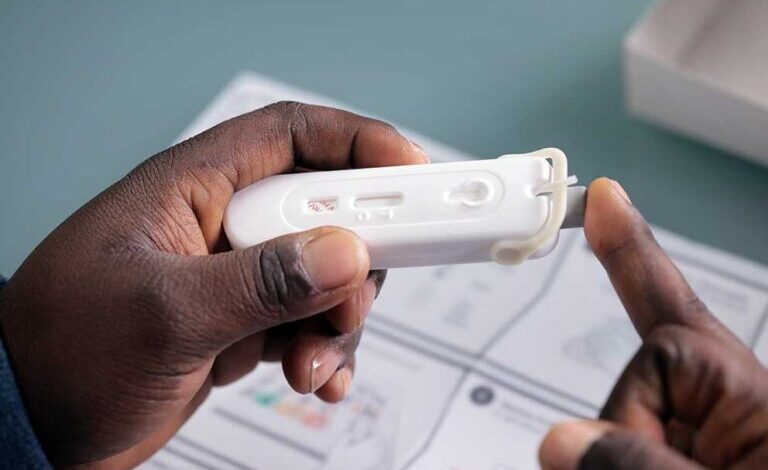
Ghana could soon face a shortage of HIV testing kits if urgent action is not taken to replenish the country’s stock, according to the President of the Ghana HIV/AIDS Network (Ghanet), Ernest Amoabeng Ortsin. The warning comes at a time when Ghana continues to strengthen its efforts to prevent new HIV infections and ensure that people living with the virus receive the care they need.
Speaking on the Asaase Breakfast Show on Wednesday, July 8, 2026, Ortsin expressed concern that the current supply of HIV testing kits may only last until the end of July. If new supplies expected from the government do not arrive before then, health facilities across the country could begin experiencing serious shortages.
His comments have sparked fresh discussions about the importance of maintaining a steady supply of medical equipment needed for HIV testing. While treatment for people already diagnosed with HIV remains available, experts say testing is one of the most important tools in controlling the spread of the virus because it allows people to know their status early and begin treatment if necessary.
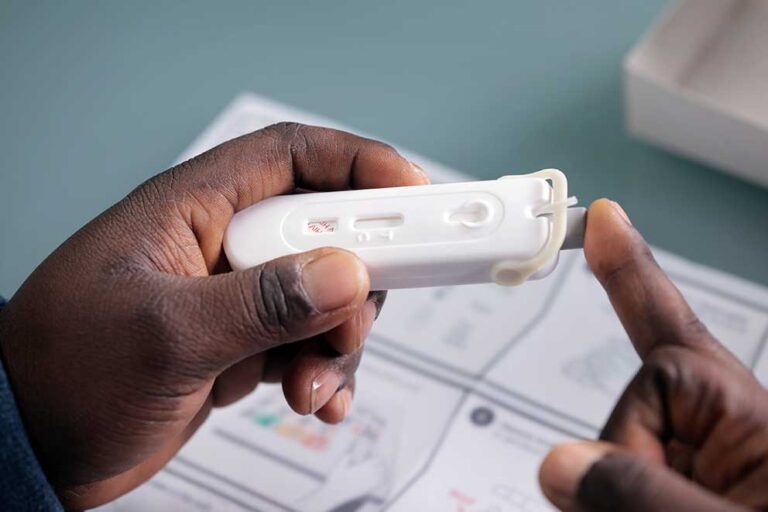
HIV Testing Plays a Key Role in Fighting the Virus
Testing remains one of the first and most important steps in the fight against HIV. Without testing, many people may not know they are living with the virus. This can delay treatment and increase the chances of unknowingly passing the virus to others.
Health experts have long encouraged regular HIV testing, especially for people who may be at higher risk of infection. Early diagnosis allows healthcare workers to begin treatment quickly, helping people live longer, healthier lives while also reducing the spread of HIV within communities.
For this reason, any interruption in the supply of HIV testing kits could have serious consequences for Ghana’s public health system.
Current Stock Could Run Out Within Weeks
According to Ernest Amoabeng Ortsin, the current supply of HIV testing kits stored at the Central Medical Stores is running low.
He explained that unless government-procured supplies arrive soon, the remaining stock may only be enough to meet demand until the end of July.
“As we speak, we’re already half a year into 2026, and the government procurement is yet to come. The stock that we have can last us only until the end of July. If the new test kits don’t come in from the government side, we’re going to have a crisis on our hands because we have run out of test kits in the country,” he said.
His warning highlights growing concerns among healthcare professionals who rely on a consistent supply of testing materials to provide services to patients across the country.
Without new supplies, hospitals, clinics, and community health centers could struggle to continue offering HIV testing services.
Government Procurement Yet to Arrive
Ortsin explained that Ghana’s HIV testing kit supply is supported through a procurement arrangement involving both the Global Fund and the Government of Ghana.
According to him, the Global Fund has already delivered its portion of the HIV testing kits as expected.
However, the government’s complementary consignment has not yet arrived, despite the country already being more than halfway through the year.
This delay has placed additional pressure on existing stock and increased concerns that supplies may not last much longer if immediate action is not taken.
Health advocates believe timely procurement is essential because medical supplies often require planning, transportation, and distribution before reaching hospitals and clinics across the country. Any delay in that process can quickly affect healthcare delivery.
Authorities Were Warned About the Situation
One of the concerns raised by Ortsin is that the possible shortage was not unexpected. According to him, the issue had already been discussed during a meeting between officials from the Global Fund and the Government of Ghana in June.
That meeting provided authorities with advance notice that the country’s stock of HIV testing kits could soon become critically low unless additional supplies were secured. This means officials have been aware of the potential challenge for several weeks.
Health stakeholders are now hoping that steps will be taken quickly to prevent shortages before existing supplies are exhausted.
No Shortage of HIV Treatment Drugs
Although concerns over testing kits continue to grow, Ortsin reassured the public that there is currently no shortage of medicines used to treat people living with HIV.
He explained that Ghana has sufficient stocks of antiretroviral drugs to continue supporting patients for several months.
“We have sufficient quantities in the country that can last up to the end of this year and even up to the first quarter of 2027,” he said. This reassurance is important for thousands of Ghanaians currently receiving HIV treatment.
Antiretroviral therapy helps reduce the amount of virus in the body, allowing people living with HIV to remain healthy while significantly reducing the risk of transmitting the virus to others. Maintaining uninterrupted access to these medicines remains one of Ghana’s key public health priorities.
Health Facilities Have Not Yet Been Affected
Despite concerns over dwindling supplies, Ortsin said health facilities have not yet begun turning patients away because of a lack of HIV testing kits. For now, testing services are continuing as normal in many parts of the country.
However, he warned that the situation could change very quickly if fresh supplies do not arrive before existing stock is depleted. Healthcare workers may soon find themselves unable to carry out routine HIV screening if shortages develop.
Such disruptions could affect people seeking voluntary testing, pregnant women attending antenatal clinics, blood donation screening, and other important healthcare services that depend on reliable HIV testing.
Ghanet Plans Online Access to HIV Self-Test Kits
As part of efforts to improve access to HIV testing, Ghanet is preparing to introduce a new online platform that will make it easier for people to check their HIV status.
According to Ortsin, the platform will allow individuals to request HIV self-test kits online and complete the testing process privately.
Self-testing has become increasingly popular in many countries because it offers people greater privacy and convenience.
Some individuals may feel uncomfortable visiting health facilities due to fear of stigma or concerns about confidentiality.
Providing self-test kits through an online platform could encourage more people to know their HIV status while maintaining their privacy.
Health experts believe increasing access to self-testing can complement existing healthcare services and improve early detection of HIV.
Why Early HIV Detection Matters
Knowing one’s HIV status remains one of the most effective ways to reduce new infections. People who test positive can begin treatment early, improving their health and lowering the amount of virus in their bodies.
Early treatment also makes it much less likely that they will transmit HIV to others. At the same time, people who test negative receive important education about how to remain HIV-free.
This is why maintaining a reliable supply of HIV testing kits is considered essential for every country’s public health strategy.
Interruptions in testing services can delay diagnoses, reduce opportunities for prevention, and make it harder to track the spread of the virus.
Call for Urgent Government Action
Ortsin has appealed to the government to move quickly and replenish the country’s stock of HIV testing kits before supplies run out.
He believes prompt action will help avoid disruptions to testing services and ensure healthcare facilities continue providing essential care without interruption.
Public health experts have consistently emphasized that successful HIV control depends not only on treatment but also on continuous testing, education, prevention, and early diagnosis.
Maintaining adequate supplies of testing kits is therefore just as important as ensuring medicines remain available for those already living with HIV.
Final Thoughts
The warning from the Ghana HIV/AIDS Network serves as an important reminder of how critical planning and timely procurement are to Ghana’s healthcare system. While there is encouraging news that antiretroviral medicines remain well stocked and available, the possible shortage of HIV testing kits could become a significant challenge if immediate action is not taken.
Testing is the gateway to treatment, prevention, and early intervention. Without adequate supplies, healthcare providers may struggle to identify new infections and connect patients with the care they need.
With the current stock expected to last only until the end of July, health authorities face a narrow window to prevent shortages. Many healthcare professionals and public health advocates will be watching closely in the coming weeks, hoping new supplies arrive before testing services are affected.
Ensuring uninterrupted access to HIV testing will help Ghana continue making progress in its fight against HIV while protecting the health of communities across the country.