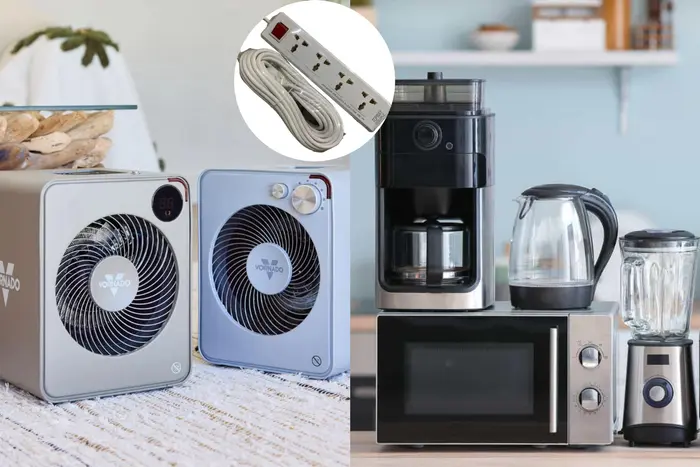
Extension boards have become a common part of modern homes, offices, and businesses. They provide a convenient way to power multiple devices when wall sockets are limited, making them especially useful in rooms filled with electronics. Whether it is a living room, bedroom, office, or shop, extension boards help people connect several devices from a single power source.
However, many people treat extension boards as if they can safely handle any appliance plugged into them. This assumption can be dangerous. While extension boards are designed to distribute electricity, they have limits. Exceeding those limits can cause overheating, damaged equipment, electrical fires, and serious safety hazards.
Every year, countless electrical accidents occur because people connect high-power appliances to extension boards that were never designed to handle such loads. In many cases, the warning signs appear before disaster strikes. The extension board may feel unusually hot, emit a burning smell, produce sparks, or cause circuit breakers to trip repeatedly. Unfortunately, many people ignore these signals until significant damage occurs.
Understanding which appliances should never be connected to an extension board can help protect your home, your electronics, and most importantly, your family.
Electric Heaters Can Overload an Extension Board
Electric heaters are among the most power-hungry household appliances.
These devices consume large amounts of electricity because they convert electrical energy directly into heat. When connected to an extension board, the heavy power demand can exceed the board’s capacity and cause overheating.
Many extension boards are designed for lower-power electronics such as chargers, lamps, and computers. An electric heater can place a continuous strain on the wiring, increasing the risk of melted insulation and electrical fires.
If you use an electric heater, it is generally safer to plug it directly into a wall outlet that can handle the load properly.
Air Conditioners Require Significant Power
Air conditioners are another appliance that should typically be connected directly to a wall socket.
Although modern air conditioners are more energy efficient than older models, they still require substantial electrical power, especially during startup when the compressor begins operating.
An extension board may not be designed to accommodate this sudden surge in electricity. Over time, repeated strain can damage both the extension board and the appliance.
Given the cost of air conditioning units and the potential fire risk involved, using a dedicated wall outlet is usually the safest option.
Refrigerators Should Not Share Power Through Extension Boards
Many people are surprised to learn that refrigerators can create problems when connected to extension boards.
Like air conditioners, refrigerators contain compressors that cycle on and off throughout the day. These startup cycles require bursts of electrical power that can stress extension boards.
Because refrigerators operate continuously, they place a long-term demand on electrical connections. A poor-quality extension board or overloaded circuit can lead to overheating and potentially damage the appliance.
Considering the importance of preserving food and maintaining reliable operation, direct wall connections are strongly preferred.
Microwaves Draw More Electricity Than Many Realize
Microwave ovens may only operate for short periods, but they consume a significant amount of power while running.
Heating food quickly requires substantial electrical energy, and this demand can exceed the safe operating capacity of some extension boards.
Using a microwave through an overloaded extension board can increase the risk of overheating, especially if other devices are connected at the same time.
To minimize electrical risks and ensure reliable performance, microwaves are best plugged directly into suitable wall outlets.
Electric Kettles Can Generate Dangerous Heat Loads
Electric kettles are common household appliances, but they are also among the highest power-consuming devices found in many kitchens.
Boiling water rapidly requires a large amount of electricity. Even though kettles typically run for only a few minutes at a time, the power demand during operation is extremely high.
An extension board that appears to function normally with phone chargers and small electronics may struggle when an electric kettle is connected.
This can result in excessive heat buildup inside the extension board, potentially leading to failure or fire.
Washing Machines Should Have Their Own Outlet
Washing machines often contain motors, pumps, electronic controls, and heating elements that require considerable electrical power.
During certain parts of the wash cycle, power consumption may increase significantly. This makes extension boards a poor choice for long-term use with washing machines.
In addition to electrical concerns, washing machines are often located in areas where moisture is present, creating an additional safety consideration.
Using a dedicated wall outlet helps reduce both electrical and environmental risks.
Another Extension Board Should Never Be Plugged Into One
One of the most dangerous practices people engage in is connecting one extension board to another.
This practice, sometimes called daisy chaining, may seem like a convenient way to create more outlets, but it can dramatically increase the risk of overload.
Each extension board has a maximum capacity. When multiple boards are connected together, users often lose track of the total power being consumed.
The result can be excessive heat, damaged wiring, and a much greater chance of electrical fire.
If you need more outlets than a single extension board provides, it may be time to upgrade your electrical setup rather than adding additional boards.
High-Powered Cooking Appliances Can Be Risky
Many kitchen appliances generate substantial heat and consume large amounts of electricity.
Devices such as electric grills, hot plates, air fryers, and some ovens can place significant demands on an extension board. If the board is not specifically rated for such appliances, overheating can occur.
Kitchen environments also introduce additional risks because heat, moisture, and frequent appliance use create conditions that can accelerate wear and tear on electrical equipment.
Whenever possible, high-powered cooking appliances should be connected directly to properly rated wall outlets.
Why Extension Boards Fail
Many people assume that extension boards fail because they are defective. While poor manufacturing quality can certainly contribute, overload remains one of the most common causes of failure.
When too much electrical current flows through the internal wiring, heat begins to build up. If the heat cannot dissipate effectively, plastic components may melt, wires may become damaged, and electrical sparks can develop.
The danger increases when extension boards are hidden behind furniture, covered by carpets, or placed in poorly ventilated areas where heat becomes trapped.
Even a high-quality extension board has limits that should be respected.
Warning Signs You Should Never Ignore
Extension boards often provide warning signs before a serious problem occurs.
If the board feels unusually hot, emits a burning smell, produces crackling sounds, shows signs of discoloration, or causes plugs to feel warm, immediate action should be taken.
Disconnecting devices and investigating the cause can prevent a minor issue from becoming a major emergency.
Ignoring these warning signs can place both property and lives at risk.
How to Use Extension Boards Safely
Safe extension board use begins with understanding their intended purpose.
They are generally best suited for lower-power devices such as phone chargers, televisions, lamps, laptops, routers, and similar electronics. Even then, users should pay attention to the board’s power rating and avoid exceeding its limits.
Purchasing high-quality extension boards from reputable manufacturers can also improve safety. Cheap products may use lower-quality materials that are less capable of handling electrical loads safely.
Regular inspections can help identify wear, damage, or overheating before problems develop.