How to remove deep brown stains from your teeth with these kitchen ingredients

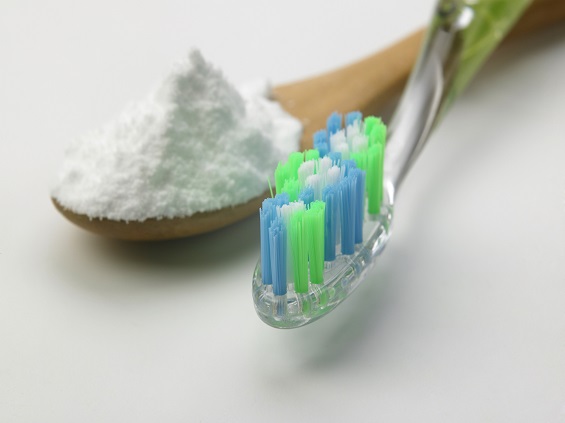
A bright, white smile can make a huge difference in your appearance and confidence. But over time, it’s easy for teeth to develop brown or yellow stains — especially if you drink coffee, tea, or red wine, or enjoy foods that naturally darken the enamel.
While professional teeth whitening treatments can be effective, they can also be expensive and harsh on sensitive gums. The good news is that you don’t always need fancy products to keep your smile bright. Some simple kitchen ingredients can help remove deep brown stains naturally and safely when used correctly.
In this post, we’ll explore how to remove deep brown stains from your teeth using ingredients you already have at home, along with important tips for keeping your teeth clean, strong, and healthy.
What Causes Brown Stains on Teeth?
Before we look at remedies, it’s important to understand what causes those stubborn stains. Common culprits include:
Coffee and tea: Both contain tannins, which stick to tooth enamel and cause discoloration over time.
Smoking or chewing tobacco: Nicotine and tar easily stain teeth dark brown or even black.
Certain foods: Foods like soy sauce, berries, and curry can also darken your teeth.
Poor oral hygiene: Not brushing or flossing regularly allows plaque buildup, which traps stains.
Aging: As enamel wears down with age, the yellow dentin underneath becomes more visible.
Fortunately, with consistent care and some natural whitening ingredients, you can greatly reduce these stains and restore your teeth’s brightness.
1. Baking Soda and Hydrogen Peroxide
This combination is one of the most popular and effective natural whitening remedies. Baking soda is a gentle abrasive that scrubs away surface stains, while hydrogen peroxide is a mild bleaching agent that helps whiten the enamel.
How to Use:
Mix 1 teaspoon of baking soda with 2 teaspoons of hydrogen peroxide to form a paste.
Use this paste to brush your teeth for about 2 minutes.
Rinse your mouth thoroughly with water afterward.
Use this remedy 2–3 times a week. Overuse can wear down enamel, so moderation is key.
Bonus Tip:
If you have sensitive teeth, use the mixture only once a week and replace hydrogen peroxide with plain water.
2. Coconut Oil Pulling
Oil pulling is an ancient Ayurvedic technique known for detoxifying the mouth and removing stains. Coconut oil contains lauric acid, which helps break down bacteria and plaque that can cause yellow or brown discoloration.
How to Use:
Take 1 tablespoon of coconut oil and swish it around your mouth for 10–15 minutes.
Do not swallow it — spit it out after swishing.
Rinse your mouth with warm water and brush as usual.
Do this daily before brushing your teeth in the morning. Over time, it helps whiten teeth, freshen breath, and improve overall oral hygiene.
3. Lemon Juice and Baking Soda
Lemon juice is acidic and acts as a natural bleaching agent, while baking soda gently polishes the enamel. Together, they can help lighten dark stains effectively — but this method should be used sparingly because too much acid can weaken your enamel.
How to Use:
Mix ½ teaspoon of baking soda with a few drops of lemon juice to form a paste.
Brush your teeth gently with this paste for 1 minute.
Rinse your mouth thoroughly with water afterward.
Use this remedy once a week only to prevent enamel erosion.
Tip:
You can replace lemon juice with strawberry pulp for a gentler, vitamin C–rich alternative.
4. Activated Charcoal
Activated charcoal is a powerful natural ingredient known for absorbing toxins and removing surface stains. It binds to plaque and food particles, lifting them away from the enamel.
How to Use:
Wet your toothbrush and dip it into activated charcoal powder.
Gently brush your teeth for about 2 minutes.
Rinse thoroughly until all the charcoal is gone.
Repeat this 2–3 times a week. It’s messy, but it works wonders for people who drink coffee or smoke.
Note:
Always use food-grade activated charcoal and be gentle when brushing to avoid scratching your enamel.
5. Apple Cider Vinegar Rinse
Apple cider vinegar (ACV) is another powerful kitchen ingredient that can help break down tough stains due to its mild acidity and antibacterial properties.
However, because it’s acidic, you should always dilute it with water to prevent enamel damage.
How to Use:
Mix 1 tablespoon of apple cider vinegar with ½ cup of water.
Swish the mixture around your mouth for 30 seconds to 1 minute.
Spit it out and rinse your mouth with plain water.
Use this remedy 2–3 times a week at most. Overuse can make enamel more sensitive.
6. Strawberry and Baking Soda Paste
Strawberries contain malic acid, a natural astringent that helps remove surface stains on teeth. When combined with baking soda, it creates a gentle whitening paste that’s both safe and effective.
How to Use:
Mash one ripe strawberry and mix it with ½ teaspoon of baking soda.
Apply the mixture to your teeth using a toothbrush or your finger.
Let it sit for 5 minutes, then rinse thoroughly.
Use this remedy once or twice a week for visible results.
Tip:
After rinsing, brush with regular toothpaste to remove leftover acid or sugar from the strawberries.
7. Salt and Toothpaste Scrub
Salt has natural cleansing and antibacterial properties. When combined with your regular toothpaste, it helps scrub away plaque and stains without harsh chemicals.
How to Use:
Mix a pinch of fine salt with a small amount of toothpaste.
Brush your teeth gently with this mixture for 2 minutes.
Rinse thoroughly with water.
Do this a few times a week to maintain clean, white teeth naturally. Avoid coarse salt as it can scratch the enamel.
8. Turmeric Powder
It may sound surprising because of its yellow color, but turmeric is actually a powerful natural teeth whitener. It has antibacterial and anti-inflammatory properties that help fight gum problems while polishing teeth.
How to Use:
Dip your toothbrush in turmeric powder and brush gently for 2 minutes.
Let it sit for a minute, then rinse thoroughly.
Brush again with regular toothpaste to remove any yellow residue.
Do this 2–3 times a week for best results.
Tips to Prevent Brown Stains from Coming Back
Natural whitening is effective, but prevention is just as important. Here’s how to keep your teeth clean and stain-free after whitening:
Brush at least twice daily — once in the morning and once before bed.
Floss regularly to remove plaque between teeth.
Rinse your mouth after drinking coffee, tea, or wine. Even a quick water rinse helps prevent staining.
Use a straw when drinking dark beverages to minimize contact with your teeth.
Quit smoking or chewing tobacco — one of the leading causes of deep stains.
Visit your dentist regularly for cleaning and check-ups.
When to See a Dentist
If your stains are very deep, uneven, or accompanied by pain or discoloration of the gums, you should see a dentist. Some stains come from internal issues such as enamel thinning, medication effects, or decay that home remedies cannot fix.
A dentist can assess the cause and suggest safe professional treatments such as scaling, polishing, or whitening procedures to restore your smile.
Final Thoughts
You don’t need to spend a fortune to get a whiter, healthier smile. With consistent care and the right kitchen ingredients — like baking soda, coconut oil, activated charcoal, and lemon — you can gently remove brown stains and restore your teeth’s natural shine.
The key is to use these remedies in moderation, practice good oral hygiene daily, and avoid habits that cause staining in the first place.
A bright smile doesn’t just enhance your looks — it boosts your confidence and leaves a lasting impression wherever you go.
So, open your kitchen cabinet, grab a few natural ingredients, and start your journey toward a cleaner, whiter, and healthier smile today.