Selling on WhatsApp Status: The hidden money strategy

In Ghana today, one of the most underrated business tools is sitting quietly inside your phone. It is not a fancy website. It is not a complicated app. It is something millions of Ghanaians check every single day.
It is WhatsApp Status.
While many people use WhatsApp only for chatting with friends and family, smart entrepreneurs are using WhatsApp Status to generate daily sales. No shop rent. No expensive ads. No complicated website setup. Just consistency, strategy, and value.
If you have ever wondered whether selling on WhatsApp Status can truly make money, the answer is yes. But only if you do it the right way.
Let us break it down.
Why WhatsApp Status Works So Well in Ghana
WhatsApp is one of the most used apps in Ghana. Unlike other platforms where your content competes with thousands of strangers, your WhatsApp Status is viewed by people who already know you.
These are your contacts. Your friends. Former classmates. Church members. Work colleagues. Family. Business associates.
That is powerful.
People are more likely to buy from someone they know or someone referred by someone they trust. Selling on WhatsApp Status removes the distance between seller and buyer.
You are not a random online store. You are Abena from Legon. You are Kofi from Kumasi. You are someone they already recognize.
Trust shortens the sales process.
The Hidden Advantage Most People Ignore
The biggest advantage of WhatsApp Status is direct access.
On platforms like Instagram or TikTok, people must click links, visit profiles, or send messages through multiple steps. On WhatsApp, one reply is enough.
A customer sees your product and replies immediately.
There is no algorithm limiting your reach. If someone saved your number, they can see your updates.
That is organic marketing at its finest.
What Can You Sell on WhatsApp Status?
Almost anything.
Clothing and fashion items
Perfumes and beauty products
Hair and wigs
Sneakers and accessories
Food and pastries
Phone accessories
Digital services like graphic design or social media management
Event tickets
Online courses
Even thrift items
The key is understanding your audience. If most of your contacts are students, affordable fashion or digital services may perform better. If your contacts are working professionals, higher value products might sell faster.
Know who is watching your Status.
How to Sell Without Annoying People
Many people fail at WhatsApp selling because they spam. They post twenty similar pictures in a row. They shout prices in every slide. They pressure people to buy.
Selling is not shouting. Selling is communication.
Here is the smarter approach.
Post clear, attractive photos with good lighting. Write short, simple descriptions. Instead of “Buy now!!!” try explaining the benefit. For example, “Perfect weekend outfit for church or brunch. Limited pieces available.”
Show lifestyle, not just product.
Mix business with personality. People buy from humans, not robots. Share testimonials. Share behind the scenes packing orders. Share happy customer feedback.
Make your Status feel natural, not desperate.
Consistency Is the Real Strategy
Selling once a week and disappearing will not build serious income.
The hidden money strategy is consistency.
Post daily. Not aggressively, but consistently. When people see your products regularly, you stay in their mind. The day they need something, you are the first person they remember.
Many successful WhatsApp sellers in Accra and Kumasi did not start big. They started by posting regularly for months.
Sales compound over time.
Turning Views into Real Money
Some people get many views but few sales. That usually means one of three things.
Your product is not appealing to your audience.
Your pricing is unclear.
You are not building enough trust.
You can fix this by being transparent. Post clear prices. Offer delivery information upfront. Share reviews from satisfied customers.
People hesitate when information is incomplete.
Also, follow up politely. If someone asks for a price and goes quiet, you can check in later with a simple message like, “Hi, just checking if you’re still interested.”
Sometimes people get busy. A gentle reminder can close a sale.
Using WhatsApp Business for Better Results
If you are serious about making money, switch to WhatsApp Business.
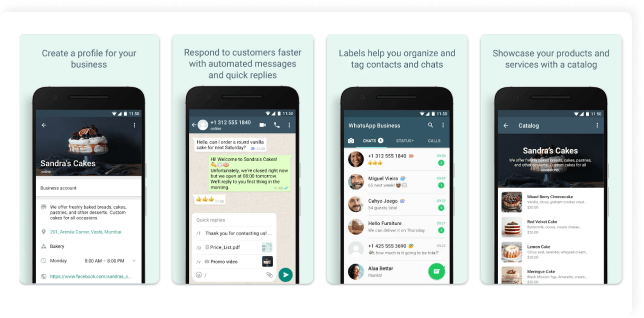
WhatsApp Business allows you to create product catalogs, set automated replies, display business information, and label customers.
This makes your hustle more professional and organized.
It also allows customers to browse your products easily without asking for pictures repeatedly.
Professional presentation builds confidence.
Expanding Beyond Your Contacts
Your contact list is powerful, but you can grow it.
Add interested customers from Facebook groups. Share your number in community marketplaces. Ask satisfied customers to refer friends.
Every new contact is a potential future buyer.
But remember, do not add random people without permission. Focus on genuine connections.
Can You Make Serious Money?
Yes, but treat it like a business.
Some WhatsApp sellers make small side income of GH₵500 to GH₵1,500 monthly. Others who take it seriously and reinvest profits make several thousand Ghana cedis per month.
The difference is commitment.
The ones who succeed track their sales, manage stock carefully, respond quickly, and reinvest profits into better products or marketing.
They do not treat it like a hobby.
Common Mistakes That Kill Sales
Inconsistent posting
Poor product photos
Late replies
Overpricing without value
Ignoring customer complaints
Mixing too much personal drama with business content
Professionalism matters, even on WhatsApp.
Your reputation spreads quickly. One satisfied customer can bring three more. One unhappy customer can discourage five.
Protect your brand.
The Bigger Vision
Selling on WhatsApp Status can start small, but it does not have to stay small.
Many online businesses in Ghana began with WhatsApp sales before expanding to Instagram pages, physical shops, or full ecommerce stores.
Think long term.
WhatsApp Status is not just a place to post pictures. It is a free digital storefront in your pocket.
Final Thoughts
Selling on WhatsApp Status is a hidden money strategy because most people overlook it. They scroll through updates daily without realizing the opportunity sitting in front of them.
If you have a smartphone, internet access, and consistency, you already have what you need to start.
You do not need a huge following. You need trust, clarity, and patience.
In Ghana’s growing digital economy, the simplest tools often produce the biggest results.
The question is not whether WhatsApp Status can make money.
The question is whether you are ready to use it strategically.