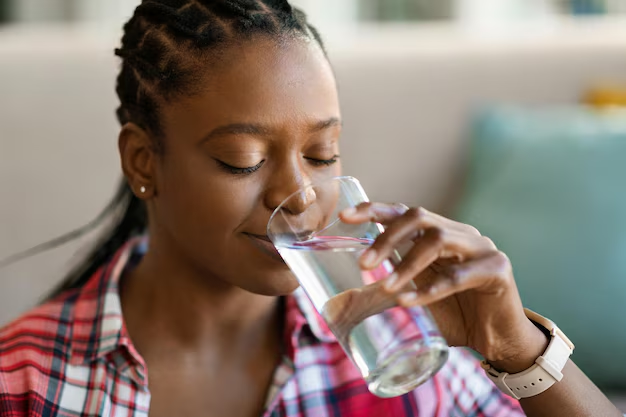
We all know that drinking enough water is essential for good health. Water keeps your body hydrated, flushes out toxins, aids digestion, and even helps maintain clear skin. But what many people don’t realize is that when you drink water is just as important as how much you drink.
Believe it or not, there are certain times when drinking water can actually do more harm than good. While staying hydrated is vital, consuming water at the wrong times can interfere with digestion, strain your kidneys, or even affect your heart.
Let’s take a closer look at the times when you should avoid drinking water — no matter how thirsty you feel — and why timing makes such a big difference.
1. Right Before or After Meals
Many people think drinking water during meals helps with digestion, but this is one of the most common mistakes. When you drink water immediately before, during, or right after eating, it can dilute your stomach acid, which your body needs to break down food properly.
Stomach acid plays a vital role in digesting proteins and absorbing nutrients. When it becomes too weak, digestion slows down, leading to bloating, gas, and discomfort.
When to drink instead:
Have a glass of water 30 minutes before a meal to prepare your stomach.
Wait at least 30–45 minutes after eating before drinking water again.
This gives your body enough time to process food efficiently without interference.
2. Right Before Going to Bed
It might seem harmless to drink water before bed, especially if you feel thirsty, but doing so can actually disrupt your sleep. Drinking water too close to bedtime increases the chances of frequent urination at night (nocturia).
This constant need to get up and use the bathroom breaks your sleep cycle, leaving you tired and restless in the morning. Poor sleep also affects your immune system, metabolism, and mood.
When to drink instead:
Try to stop drinking water one to two hours before bedtime.
If you feel thirsty at night, take just a small sip — not a full glass.
That way, you stay comfortable without overloading your bladder.
3. During Intense Exercise (Without Balance)
While hydration is essential during workouts, chugging too much water in the middle of intense exercise can lead to a dangerous condition called hyponatremia, or low sodium levels in the blood.
This happens when you drink excessive water without replacing lost electrolytes. It can cause symptoms like headache, confusion, nausea, and in severe cases, even seizures.
When to drink instead:
Take small sips of water every 15–20 minutes during exercise, not large gulps.
For long or heavy workouts, consider a drink with electrolytes to maintain balance.
Moderation is key. Your goal is hydration — not flooding your body.
4. Immediately After Waking Up (in Excess)
Drinking water after waking up is a popular health habit — and yes, it’s generally good for you. However, chugging large amounts of water all at once first thing in the morning can put unnecessary pressure on your kidneys and stomach.
After several hours of sleep, your body’s systems are still waking up. Overloading them with a large quantity of water in one go can cause nausea or even electrolyte imbalance.
When to drink instead:
Start your day with one glass of room-temperature water to rehydrate gently.
Wait 10–15 minutes before drinking more or eating breakfast.
This gives your digestive system time to adjust and begin functioning properly.
5. Right After an Intense Meal
Drinking water right after a heavy or oily meal — especially something spicy, fried, or carb-heavy — can cause indigestion. Cold water, in particular, solidifies fats from the food you just ate, making digestion slower and harder.
This can lead to bloating, acid reflux, or even weight gain over time if it becomes a habit.
When to drink instead:
Give your stomach at least 30 minutes after a meal to process food before drinking.
If you must drink, choose warm water instead of cold to aid digestion.
6. During Emotional Stress or Anger
You might not think of it, but drinking water when you’re extremely upset, angry, or anxious can also be harmful. When you’re under stress, your body’s fight-or-flight response kicks in, slowing down digestion and diverting blood flow away from the stomach.
If you drink water in this state, your body can’t process it efficiently, leading to bloating, nausea, or even acid reflux.
When to drink instead:
Take a few minutes to calm down before sipping water.
Practice deep breathing to relax your body, then hydrate slowly.
Your digestion and hydration will both benefit when you’re in a calm state.
7. Right Before or After Eating Fruits
Many people make the mistake of drinking water immediately before or after eating fruits. Doing so can disrupt the natural digestive process. Fruits digest quickly — usually within 30 minutes — and adding water into the mix can dilute enzymes, slowing absorption and causing fermentation in the stomach.
This can lead to gas, bloating, or indigestion, especially if you’ve eaten fruits like watermelon, orange, or papaya.
When to drink instead:
Wait 30 minutes before or after eating fruits before drinking water.
If you’re thirsty, rinse your mouth instead of drinking immediately.
8. When You’re Sweating Excessively (Without Replacing Electrolytes)
If you’ve been sweating heavily — whether from hot weather or physical activity — your body loses not just water but also essential minerals like sodium and potassium. Drinking plain water alone can dilute these minerals even more, leading to dizziness or muscle cramps.
When to drink instead:
Alternate plain water with coconut water or electrolyte drinks.
Drink slowly rather than gulping large amounts at once.
9. Immediately After Tea or Coffee
Tea and coffee are mild diuretics, meaning they increase urine production and can lead to dehydration. Drinking water immediately afterward might seem like a good idea to “balance” it out, but in reality, it can neutralize stomach acid and interfere with digestion.
Instead, give your body a little time to process the caffeine.
When to drink instead:
Wait 30–45 minutes after drinking tea or coffee before having water.
If you need hydration sooner, take small sips rather than full gulps.
10. When You’re Already Feeling Bloated
Drinking water when your stomach is already bloated can make the discomfort worse. Excess fluid stretches the stomach further, leading to more pressure and indigestion.
In this state, your digestive system is already working slowly, and adding water only delays it further.
When to drink instead:
Wait until the bloating eases or take small sips of warm water instead of cold.
Avoid carbonated or cold drinks altogether during this time.
11. During or Right After Eating Spicy Foods
It’s a common instinct to reach for water after eating something spicy — but this actually spreads the spice compounds (especially capsaicin) around your mouth, intensifying the burning sensation.
Water doesn’t dissolve capsaicin well because it’s an oil-based compound.
When to drink instead:
Drink milk or eat yogurt, which contain casein — a protein that breaks down capsaicin.
If you must drink water, make sure it’s cool but not ice-cold.
12. After Heavy Alcohol Consumption
Many people try to drink water immediately after a night of heavy drinking to “flush out” the alcohol. While staying hydrated is important, drinking too much water too quickly can overwork the kidneys and dilute sodium levels in your blood.
When to drink instead:
Rehydrate gradually — take small sips of water over time.
Add electrolyte-rich drinks or eat a light meal to restore balance.
Final Thoughts
Drinking water is one of the simplest and healthiest habits you can develop — but it’s not just about how much you drink, it’s about when you drink it.
Avoiding water during certain times can make a big difference in your digestion, sleep, and overall health. Remember these key takeaways:
✅ Avoid water immediately before or after meals.
✅ Don’t drink large amounts before bed or right after waking.
✅ During exercise, hydrate steadily but not excessively.
✅ Be mindful of digestion, stress, and temperature when hydrating.
By paying attention to your timing, you’ll not only stay hydrated but also help your body function more efficiently.
So, the next time you feel thirsty, pause for a second — and ask yourself if it’s the right time to drink water. Your body will thank you for it.