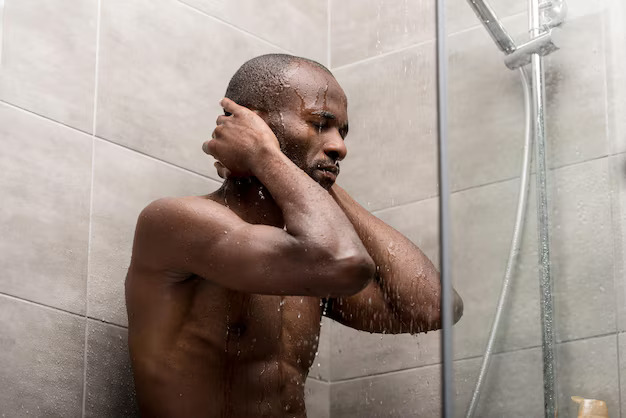
Taking a shower is one of the most refreshing daily routines. It helps you stay clean, relax your muscles, and feel rejuvenated after a long day. But did you know that there are certain times when taking a shower can actually do more harm than good?
Many people assume it’s fine to shower anytime — morning, night, or even right after eating — but your body doesn’t always agree. The truth is, your body’s internal processes, temperature regulation, and even blood circulation can make showering at certain times risky to your health.
Let’s take a look at the times you should never shower — no matter how dirty or sweaty you feel — and understand why skipping the shower for a few hours could actually protect your health.
1. Immediately After Eating
One of the most common mistakes people make is taking a shower right after a meal. While it may sound harmless, showering after eating can interfere with your digestion.
Here’s why: when you eat, your body directs more blood flow to your stomach to help digest food. However, when you take a shower, warm water increases blood flow to your skin and extremities to regulate temperature.
This shift in blood circulation means less blood goes to your stomach, slowing down digestion and sometimes causing discomfort such as bloating or cramps.
Health Tip:
Wait at least 30 to 45 minutes after eating before taking a shower. This gives your body enough time to digest your food properly before the shift in blood flow.
2. When You’re Sweating Heavily After Intense Exercise
It might seem logical to rush into the shower right after a workout, but it’s best to let your body cool down first. When you exercise, your body temperature rises, and your heart rate increases to maintain circulation.
Jumping into a cold shower immediately can shock your system, causing sudden changes in heart rate and blood pressure. This may lead to dizziness, fainting, or even muscle cramps.
Even a hot shower right after an intense workout can be harmful. It traps heat in your body and prevents your temperature from dropping naturally, making you feel weak or overheated.
Health Tip:
Wait about 20 to 30 minutes after working out before showering. Let your body temperature return to normal, and your heart rate stabilize first. During that time, wipe off sweat and rehydrate with water.
3. When You Have a High Fever
Taking a shower when you have a fever might sound like a good idea to “cool off,” but it can actually make things worse if done at the wrong time.
A cold shower during a fever can cause your body temperature to drop too quickly, leading to shivering. Shivering actually makes your body work harder to generate heat, which can raise your internal temperature again.
Similarly, a hot shower can overheat your body and cause dizziness or fainting.
Health Tip:
If you want to bathe while you have a fever, use lukewarm water — not too hot, not too cold. And if you feel weak, it’s better to sponge your body gently with a damp cloth instead of standing under running water.
4. Late at Night Before Going to Bed (Especially with Cold Water)
A relaxing shower before bed can be great for sleep — but timing and water temperature matter. Taking a cold shower late at night can disturb your body’s temperature regulation and alert your nervous system, making it harder to fall asleep.
Cold water activates your body’s fight-or-flight response, increasing alertness and energy — which is the opposite of what you want at bedtime.
On the other hand, a hot shower too close to bedtime can raise your body temperature and cause sweating, which also interferes with sleep.
Health Tip:
If you enjoy showering before bed, do it 1–2 hours before sleeping, and use warm (not hot) water. This helps relax your muscles and prepare your body for rest.
5. When You’re Drunk or Feeling Lightheaded
Showering while drunk or dizzy is extremely dangerous. Alcohol lowers blood pressure and affects balance and coordination. When combined with hot water, it can cause sudden drops in blood pressure, dizziness, or even fainting — which could lead to slipping and injury in the bathroom.
Cold showers don’t help either; the shock of cold water can cause a rapid spike in blood pressure or irregular heartbeat, especially in people with heart problems.
Health Tip:
If you’ve been drinking or feel dizzy, avoid showering until you’re fully stable and hydrated. Drink some water, rest, and regain your balance first.
6. During Thunderstorms
It might sound like an old myth, but it’s scientifically true — you should never shower during a thunderstorm. Lightning can travel through plumbing pipes and water systems, and if a strike hits your home or nearby area, electricity can travel through metal pipes and reach your shower water.
While it’s rare, there have been reported cases of people getting electrocuted while bathing or using water during a storm.
Health Tip:
During thunderstorms, avoid showering, washing dishes, or using running water until the storm passes. Safety first.
7. Right After Waking Up (Especially for Those with Heart Conditions)
Many people love jumping straight into a shower right after waking up, especially with cold water to “wake up the body.” But for people with heart problems or low blood pressure, this can be risky.
When you wake up, your body is still adjusting to daytime activity. A sudden temperature change — like cold water hitting your skin — can shock your cardiovascular system, causing an abrupt rise in blood pressure or even fainting.
Hot showers aren’t ideal immediately after waking either, as they can cause dizziness by dilating blood vessels too quickly.
Health Tip:
After waking up, give yourself 10–15 minutes before taking a shower. Stretch, drink a glass of water, and allow your blood circulation to stabilize.
8. During or After a Severe Headache
If you’re suffering from a migraine or a strong headache, taking a hot shower might make it worse. Heat dilates blood vessels, which can intensify head pain and pressure.
Cold showers, on the other hand, might constrict blood flow too much, leading to discomfort or lightheadedness.
Health Tip:
If you really need to shower while having a headache, use lukewarm water and keep the session short. Focus on relaxing your neck and shoulders instead of standing directly under the showerhead.
9. Immediately After Taking Medication
Some medications — especially those for blood pressure, allergies, or anxiety — can cause dizziness, fatigue, or changes in blood circulation. Taking a shower immediately afterward, particularly with hot water, can amplify these side effects.
You might feel lightheaded, weak, or even faint in the bathroom, which can be dangerous.
Health Tip:
After taking medication, wait at least 30 minutes before showering, unless your doctor advises otherwise.
10. When You’re Extremely Tired or Sleep-Deprived
If you’ve had little to no sleep and your body feels exhausted, a hot shower might seem like the perfect way to relax. However, extreme fatigue can make you prone to fainting or losing balance in the shower.
Your body’s energy levels are already low, and standing under warm water can dilate your blood vessels, further lowering blood pressure.
Health Tip:
If you’re feeling drained, rest first before showering. Even a short nap or sitting down for 10–15 minutes can help restore your balance and energy.
Final Thoughts
A shower can refresh your body and mind — but the timing matters just as much as the act itself. Showering at the wrong times can interfere with your digestion, weaken your body, and even put you at risk of accidents or health complications.
So the next time you feel like taking a shower right after a meal, during a fever, or while exhausted, pause and ask yourself: Is it the right time for my body?
Your health and safety always come first. By simply timing your showers better, you can enjoy all the benefits — cleanliness, relaxation, and rejuvenation — without the risks.
Remember, even good habits like bathing can turn harmful if done at the wrong time. Be smart, listen to your body, and keep yourself both clean and safe.