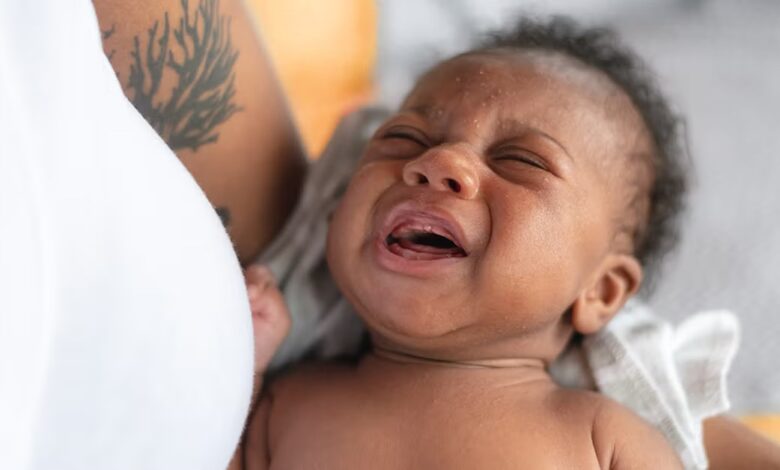
One of the most powerful and emotional moments in life is hearing a baby cry for the first time. That first cry brings relief, joy, and sometimes tears to the parents’ eyes — because it’s the sound that confirms their baby has arrived safely. But have you ever wondered why newborns cry immediately after birth — and then, only a short while later, seem to fall into a deep, peaceful sleep?
This natural pattern isn’t random. It’s part of an incredible biological and emotional process that helps the baby adjust to life outside the womb. Let’s explore what’s really happening in those first moments after birth and why both crying and sleeping are such vital parts of a newborn’s early life.
The First Cry: A Sign of Life and Adaptation
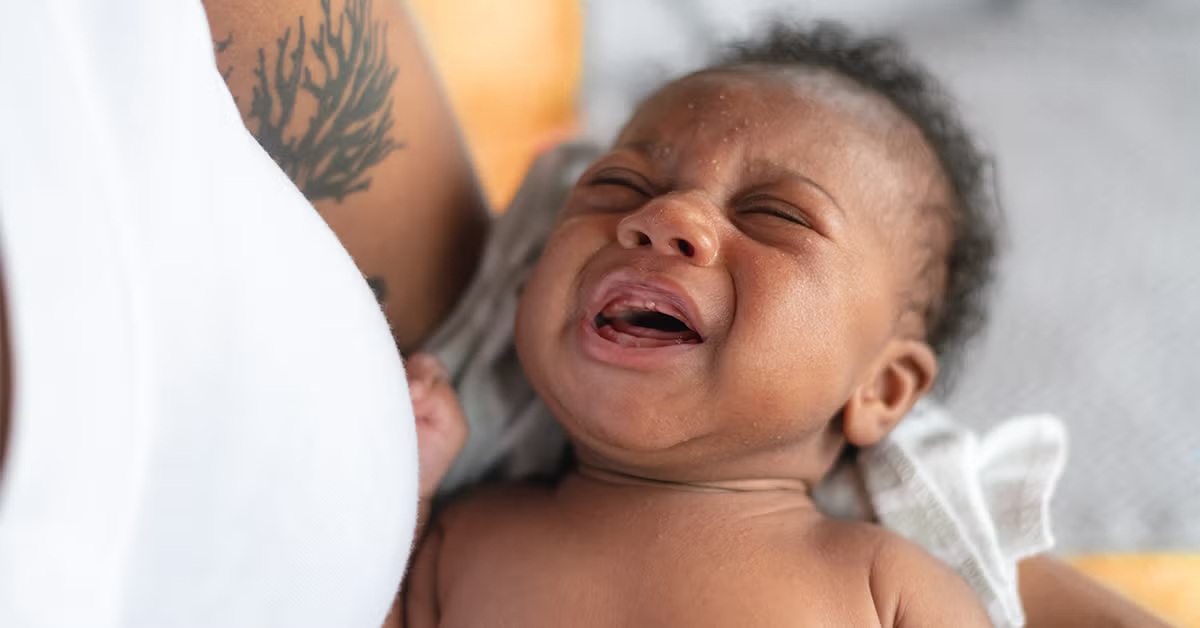
The cry you hear seconds after birth is more than a simple noise — it’s the baby’s first breath of independence. Inside the womb, the baby didn’t need to breathe air. The placenta and umbilical cord supplied all the oxygen and nutrients necessary for survival. But once the baby is born and the umbilical cord is cut, everything changes.
1. The Cry Helps Clear the Lungs
Before birth, a baby’s lungs are filled with fluid. That first cry helps push out this fluid and fill the lungs with air for the very first time. This process allows oxygen to flow through the bloodstream and signals the baby’s body to start functioning on its own — breathing, circulating blood, and maintaining body temperature.
2. Crying Expands the Lungs and Regulates Breathing
When the baby takes that first gasp of air and lets out a cry, the lungs expand fully. This helps stabilize oxygen levels and encourages the breathing reflex. The force of the cry also stimulates the heart to pump faster, improving blood circulation throughout the body.
That first cry is essentially the baby saying, “I’m here, I can breathe, and my body is working.”
3. It’s an Emotional Response to a Big Transition
Imagine being in a warm, dark, quiet space for nine months — then suddenly being exposed to bright lights, cooler air, noise, and physical touch. That’s a lot of change! The cry also reflects the baby’s shock as they leave the familiar comfort of the womb for a completely new world. It’s a natural response to sensory overload and the beginning of adjustment to life outside.
What Triggers the Cry?
Several factors combine to prompt a newborn’s first cry:
Temperature change: The sudden shift from the womb’s warmth to the cooler air outside stimulates breathing.
Touch: The doctor’s or midwife’s gentle handling, or even the air on the skin, activates the baby’s sensory system.
Light and sound: The delivery room’s brightness and noise awaken the baby’s senses.
Physical stimulation: Sometimes a gentle rub on the back or foot helps encourage that first cry.
Interestingly, not all babies cry loudly right away. Some may take a few seconds to adjust but are still breathing fine. Medical professionals always monitor the baby’s breathing, color, and heart rate to ensure everything is normal.
The Role of Crying in the Baby’s Health
Crying at birth isn’t just an emotional milestone — it’s a critical health indicator. Doctors use a newborn’s cry, along with other factors, to assess how well the baby is adapting to life outside the womb.
One of the most common assessment tools is the Apgar score, taken at one and five minutes after birth. It measures five things:
Appearance (skin color)
Pulse (heart rate)
Grimace (reflex response)
Activity (muscle tone)
Respiration (breathing effort)
A strong, loud cry usually indicates good respiratory effort and healthy lung function. If a baby doesn’t cry immediately but is breathing steadily and has good color and movement, that’s often perfectly normal too.
Why Newborns Sleep Soon After Crying
After the initial rush of crying, breathing, and adjusting, something beautiful happens — the baby falls into a deep sleep.
Newborns often sleep for hours right after birth, and there are several reasons why.
1. The Birth Process Is Exhausting
For both the mother and the baby, childbirth is an intense physical event. The baby goes through a lot of pressure as it moves through the birth canal, and the effort to take those first breaths takes energy. Once the body stabilizes, sleep becomes necessary for recovery.
Just like adults need rest after stress or exertion, newborns need rest to recover from the birth journey.
2. Hormonal and Neurological Adjustment
During labor, the baby’s body releases stress hormones — like adrenaline — to prepare for life outside the womb. Once the baby is safely born and breathing, those hormones drop, creating a calming effect that encourages sleep.
This deep rest helps balance the baby’s internal systems and promotes healing and growth.
3. Warmth and Comfort Encourage Sleep
When the baby is placed on the mother’s chest — often called skin-to-skin contact — it provides warmth, steady breathing sounds, and a familiar heartbeat rhythm. All of this helps the baby feel safe and relaxed enough to drift into sleep.
Skin-to-skin contact also regulates the baby’s temperature and heartbeat while strengthening the emotional bond between mother and child.
4. Energy Conservation
Newborns have tiny stomachs and limited energy reserves. Sleeping helps them conserve energy while their bodies adjust to new demands like breathing, digesting, and regulating temperature. It’s their body’s natural way of protecting itself and ensuring steady growth.
The Importance of That First Sleep
The first few hours after birth are often called the “golden hours.” During this time, the baby transitions from the womb to the world and begins to adapt to feeding, bonding, and sleeping patterns.
That initial deep sleep allows the brain and body to recover from birth stress, store energy, and begin crucial development processes. While the baby sleeps, the mother’s body also begins healing and bonding through hormonal exchanges, especially if breastfeeding starts soon after birth.
When a Newborn Doesn’t Cry Immediately
Not every baby cries right away — and that doesn’t always mean something is wrong.
Some babies may start breathing quietly or whimper softly instead of giving a loud cry. As long as they are breathing steadily, have normal skin color, and show good movement, they are perfectly fine.
However, if a newborn struggles to breathe, appears limp, or turns blue, medical professionals quickly intervene. Gentle stimulation, suctioning the airway, or oxygen support may be given to help the baby transition safely.
Crying, Sleeping, and Bonding: A Natural Cycle
After crying and adjusting, most babies enter a cycle of sleeping, waking briefly, and then sleeping again. During these early hours, the baby’s brain is rapidly developing.
When the baby wakes briefly, they often show feeding cues — like rooting or sucking motions. Feeding during this time provides energy, hydration, and comfort before they drift back to sleep.
Crying, feeding, and sleeping work together as part of a natural rhythm that supports healthy growth and emotional security.
Final Thoughts
That first cry after birth is one of life’s most beautiful and reassuring sounds. It signals that your baby’s lungs are working, the body is adjusting, and life outside the womb has officially begun.
Soon after, your newborn’s peaceful sleep shows that the transition is complete — the hard work of being born is over, and rest is now needed for recovery and growth.
So when your baby cries, then sleeps soundly in your arms, know that everything is as it should be. Those moments are nature’s perfect design — a mix of science, love, and miracle.
In short:
Crying after birth helps the baby clear the lungs, breathe, and adapt.
Sleeping soon after allows the baby to recover, stabilize, and bond.
Both are essential signs of a healthy start to life.