Ghana’s revised basic school curriculum introduces 13 subjects, Chinese and AI for primary schools

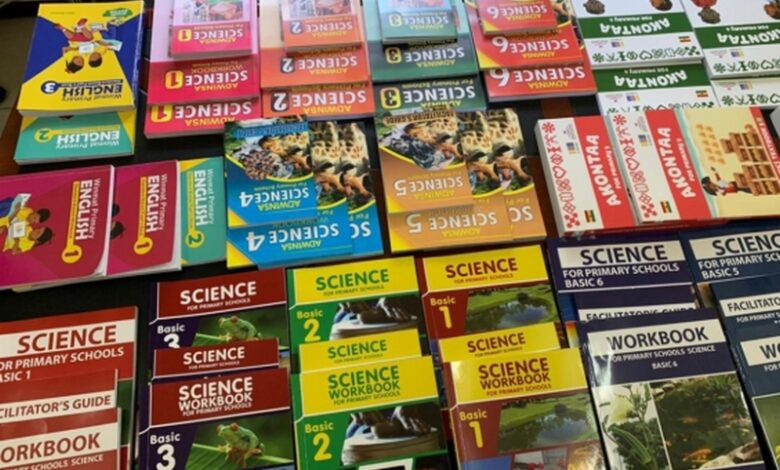
Ghana’s education system is set to undergo major changes following the introduction of a revised basic school curriculum that aims to improve the quality of teaching and learning in primary schools across the country. The new curriculum has been designed to strengthen pupils’ reading, writing, mathematics and problem solving abilities while also preparing them for a world that is becoming increasingly driven by technology.
One of the biggest highlights of the revised curriculum is the introduction of Chinese as an optional foreign language for young learners. In addition to this, pupils will also be introduced to important digital skills such as coding, automation and basic artificial intelligence concepts. The curriculum also brings back Citizenship Education and places greater emphasis on Ghanaian values, ethics and responsible citizenship.
The revised curriculum was developed by the National Council for Curriculum and Assessment (NaCCA) and covers education from Kindergarten to Primary Six. It has already been submitted to the Minister of Education, Haruna Iddrisu, who has directed the Ghana Education Service (GES) to review the document within one week so that preparations can begin for implementation in schools across the country.
The changes are expected to shape how millions of Ghanaian children learn over the coming years while helping them acquire the knowledge and skills needed for both higher education and future careers.
The 13 Subjects Pupils Will Study
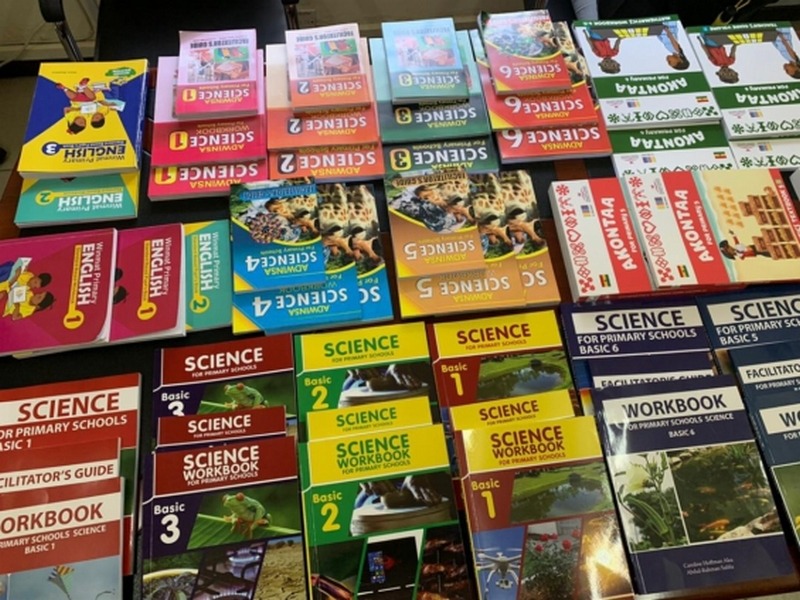
Under the revised curriculum, pupils in Ghana’s primary schools will study 13 subjects that combine academic knowledge, practical skills, technology and character development.
The subjects include Ghanaian Language, English Language, Mathematics, Science, which now includes Agriculture, Computing, Citizenship Education, Religious and Moral Education, Creative Arts, and Physical Education and Health.
Foreign language education has also been expanded. Pupils will have the opportunity to study French, Arabic or Chinese as optional foreign languages. Depending on the availability of teachers and the implementation plans in different schools, some learners may also have access to Spanish, Italian or German.
According to NaCCA, these subjects were carefully selected to provide children with a balanced education that supports academic excellence while helping them develop communication skills, creativity, critical thinking and good moral values.
Chinese Introduced as an Optional Foreign Language
Perhaps the most talked about change in the revised curriculum is the introduction of Chinese as an optional foreign language beginning from Primary One.
Traditionally, Ghanaian pupils began studying foreign languages much later in their education. However, education experts now believe that children learn languages more effectively when they are introduced at an early age. Starting from Primary One gives pupils more years to develop confidence and fluency in another language.
According to NaCCA Director-General Professor Samuel Ofori Bekoe, the Confucius Centre has offered to pilot the Chinese language programme in 10 schools using three teachers. This pilot programme will help education authorities assess how the subject can be expanded to more schools in the future.
The inclusion of Chinese reflects Ghana’s growing engagement with the global community and recognises the increasing importance of multilingual skills in today’s interconnected world.
Foreign Language Learning Will Start Earlier
The revised curriculum also changes the age at which pupils begin learning foreign languages. Previously, many schools introduced foreign language instruction from Primary Four. Under the new curriculum, pupils will begin learning foreign languages from Primary One.
Education experts believe that younger children absorb new languages more naturally than older learners. Starting early gives pupils more time to build vocabulary, improve pronunciation and become comfortable communicating in another language.
Arabic has also been standardised throughout the primary school years, ensuring that pupils who choose the language can study it consistently from Primary One through Primary Six.
Depending on available teachers and school resources, some schools may also offer Spanish, Italian or German alongside the existing foreign language options.
Coding and Artificial Intelligence Become Part of Learning
Technology education is another major area receiving attention under the revised curriculum. As the world becomes increasingly digital, Ghana’s education authorities want pupils to develop technology related skills from an early age.
Computing and Mathematics will now introduce pupils to computational thinking, coding, automation and basic artificial intelligence concepts. Rather than simply learning how to use computers, children will begin understanding how technology works and how digital systems solve everyday problems.
These skills are expected to help prepare learners for future careers in science, engineering, information technology and many other industries that rely heavily on digital knowledge. Even students who do not eventually work in technology related fields will benefit from improved problem solving and logical thinking skills.
Citizenship Education Returns
Another important feature of the revised curriculum is the return of Citizenship Education as a separate subject.
The subject is designed to help pupils understand their responsibilities as citizens, respect the country’s laws, appreciate democratic values and contribute positively to their communities. Children will also learn about leadership, honesty, responsibility, respect for others and national unity.
Education authorities believe that academic success alone is not enough. Schools must also help children grow into responsible adults who demonstrate integrity, discipline and good character throughout their lives.
The renewed focus on citizenship is expected to strengthen national identity while encouraging pupils to become active and responsible members of society.
Agriculture Will Now Be Part of Science
One noticeable change is that Agriculture will no longer be taught as a separate subject in primary school.
Instead, agricultural topics will now be integrated into Science. This approach allows pupils to understand farming, food production, environmental conservation and natural resources within a broader scientific context.
By combining Agriculture with Science, education experts believe pupils will better understand how scientific principles apply to farming, climate, nutrition and sustainable development.
This integrated approach is also expected to reduce unnecessary duplication while making classroom learning more connected and meaningful.
New Assessment System Will Focus on Learning Progress
The revised curriculum also introduces important changes to how pupils are assessed.
Instead of relying mainly on examinations, teachers will use more classroom activities and continuous assessments to measure pupils’ progress throughout the school year. This approach allows teachers to identify learning difficulties much earlier and provide support before pupils fall behind.
NaCCA says the new assessment system will use three achievement levels known as basic, attained and deeper.
These performance levels are intended to help teachers understand each child’s progress more accurately. Rather than focusing only on final examination scores, the system encourages continuous improvement and helps pupils build confidence as they develop new skills.
Ghanaian Languages to Be Used in Early Education
Education Minister Haruna Iddrisu has also announced an important language policy that supports the revised curriculum.
According to the minister, the government has approved the use of Ghanaian languages as the medium of instruction from Kindergarten to Basic Three. During these early years, pupils will learn most classroom lessons in their local language while English continues to be taught as a separate subject.
The minister explained that teaching children in a language they already understand helps improve literacy, reading comprehension and overall cognitive development. Once pupils have built strong learning foundations in their native language, they are expected to find it easier to master English as they progress through school.
To support this policy, the Minister has instructed the Ghana Education Service to prioritise the recruitment of qualified Ghanaian language teachers during its next recruitment exercise.
Why NaCCA Revised the Curriculum
According to NaCCA, the decision to redesign the curriculum followed a detailed evaluation of Ghana’s education system.
The assessment identified learning gaps in Mathematics, English Language and the teaching of Ghanaian culture and values. Education experts concluded that some pupils were completing primary school without fully developing the foundational skills needed for future learning.
The revised curriculum therefore seeks to improve literacy and numeracy while reducing unnecessary subject overload. It also aims to strengthen learning outcomes, improve problem solving abilities and prepare children for a technology driven economy.
At the same time, the curriculum places greater emphasis on ethics, citizenship and Ghanaian cultural values to ensure that learners receive a balanced education that develops both academic ability and good character.
Professor Samuel Ofori Bekoe explained that the revised curriculum was developed through extensive consultations involving 160 education experts and a technical working group. Their goal was to ensure that the curriculum reflects Ghana’s current educational needs while addressing challenges identified through previous assessments.
A New Direction for Basic Education in Ghana
The revised curriculum represents one of the most significant changes to Ghana’s basic education system in recent years. By combining traditional academic subjects with digital skills, language development, citizenship education and stronger moral values, the government hopes to prepare children for success in an increasingly competitive and technology driven world.
Introducing coding, artificial intelligence concepts and foreign language learning from an early age demonstrates Ghana’s commitment to modernising education while ensuring pupils remain connected to their cultural identity through Ghanaian languages and Citizenship Education.
If successfully implemented, the revised curriculum could help improve learning outcomes, strengthen foundational education and equip the next generation of Ghanaian pupils with the knowledge, skills and values they need to thrive both at home and on the global stage.