10 things you should never do with Ghana cedi notes and coins to avoid imprisonment

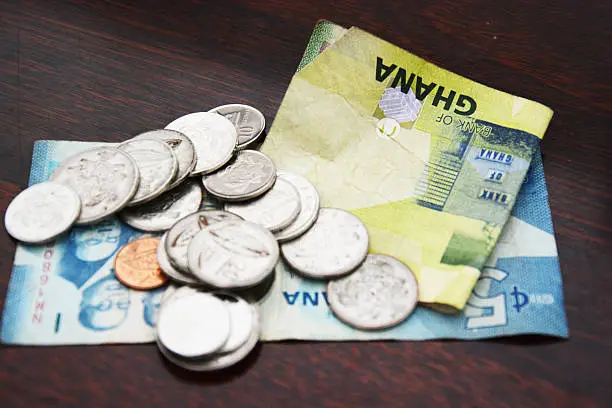
The Bank of Ghana (BoG) has reminded the public that many common ways people handle cedi notes and coins during weddings, funerals, birthdays and other celebrations are against the law. According to the central bank, practices that many people see as normal or fashionable can actually result in serious legal consequences, including arrest, prosecution, fines or even imprisonment.
The warning was contained in a public notice issued on July 14, 2026, and signed by the Secretary to the Bank, Aimee Vyda Quashie. In the notice, the Bank explained that it has observed an increasing number of cases where Ghana’s currency is being misused in ways that damage its quality, reduce its lifespan and affect the dignity of the national currency.
The Bank of Ghana stressed that the cedi is more than just paper and metal used for buying and selling goods. It is a national symbol that represents the country’s economy and should be treated with care and respect. The central bank also pointed out that the Bank of Ghana Act, 2002 (Act 612), as amended, together with the Currency Act, 1964 (Act 242), contains laws that protect the country’s banknotes and coins from misuse.
Below are 10 things the Bank of Ghana says you should never do with cedi notes and coins.
Do Not Spray Cedi Notes at Weddings, Funerals or Parties
One of the most common practices at celebrations in Ghana is spraying or showering cedi notes on people during weddings, birthdays, funerals and other social events. While many people see this as a way of showing appreciation, celebration or generosity, the Bank of Ghana says it is an improper way of handling the national currency.
According to the central bank, throwing money into the air or spraying it on people can damage the notes and reduce their quality. Because of this, anyone who engages in the practice could face legal action under Ghana’s currency laws.
Do Not Make Money Bouquets
Money bouquets have become increasingly popular at weddings, graduations and birthday celebrations. They are often made by folding and arranging cedi notes into decorative bouquets that are presented as gifts.
However, the Bank of Ghana says this practice is also against the law. The central bank explained that banknotes are meant to serve only as legal tender and should not be turned into decorative items. Folding, shaping and attaching notes in this manner can damage them and reduce their lifespan.
Do Not Scatter Money on the Ground or Dance on It
Another practice that has become common during celebrations is throwing money onto the ground while people dance over it. Although it may appear entertaining, the Bank of Ghana says this is another form of mishandling the national currency.
When banknotes are thrown onto the floor, they can easily become dirty, torn or damaged after being stepped on by many people. The Bank says these actions contribute to the deterioration of the currency and are prohibited by law.
Do Not Write on, Tear or Damage Banknotes
The Bank of Ghana is also warning people against writing on cedi notes or damaging them in any way. This includes tearing, crumpling, staining, soiling or causing any form of physical damage to banknotes and coins.
The central bank is encouraging everyone to keep the currency clean and in good condition. Proper handling helps extend the life of the notes and reduces the need for frequent replacement, which costs the country money.
Do Not Use Cedi Notes or Coins as Decorations
Some people use banknotes and coins to create artwork, jewellery, fingernail designs or decorative displays. While these creative designs may appear attractive, the Bank of Ghana says they are not permitted.
According to the central bank, using Ghana’s currency for decoration amounts to tampering with or defacing legal tender. The Bank says cedi notes and coins should never be treated as materials for artistic or fashion purposes.
Do Not Cut, Alter or Mutilate Banknotes
The Bank has also warned against changing the physical appearance of banknotes in any way. This includes cutting, engraving, piercing, stamping or making any other alterations to the notes.
Such actions not only damage the currency but also violate Ghana’s laws governing the proper use of legal tender. The Bank says every cedi note should remain in its original form so that it can continue to function properly in everyday transactions.
Do Not Alter the Appearance of Coins
The warning does not apply only to paper currency. The Bank of Ghana also says it is illegal to change the appearance of coins by filing, cutting, colouring, gilding, silvering or defacing them.
In addition, possessing pieces, scrapings or filings from tampered coins is also prohibited. The central bank explained that altering coins affects their integrity and undermines confidence in the national currency.
Do Not Buy or Sell Coins Above Their Face Value
The Bank of Ghana has also reminded the public that buying or selling coins for more than their official face value is against the law.
Although some people may view certain coins as collectibles or rare items, the central bank says transactions involving Ghana’s legal tender must comply with existing currency laws. Selling or buying coins above their stated value is prohibited.
Do Not Use Images of Ghana’s Currency Without Approval
The central bank has also issued a warning to businesses, organisations and individuals who may wish to use pictures or images of Ghana’s banknotes or coins.
According to the Bank of Ghana, anyone who intends to use images of the country’s currency must first obtain official approval. Using such images without permission is not allowed under the country’s regulations.
Do Not Use the Cedi for Anything Other Than Legal Tender
The Bank of Ghana emphasised that the sole purpose of cedi notes and coins is to serve as legal tender for buying goods and paying for services. They should not be crumpled, engraved, pierced, folded into decorative objects or used in any way that affects their quality or usefulness.
Treating the currency with respect helps ensure that it remains in good condition and continues to serve its intended purpose throughout its lifespan.
Why the Bank of Ghana Is Issuing This Warning
According to the Bank of Ghana, the country spends a significant amount of public money every year printing new banknotes and minting coins. When people misuse or damage the currency, the notes and coins wear out much faster than expected, forcing the central bank to spend even more money replacing them.
This increases costs that are ultimately borne by the country. Proper handling of the cedi helps reduce replacement expenses, keeps the currency looking clean and professional, and supports confidence in Ghana’s financial system.
The central bank also noted that preserving the quality of the national currency benefits everyone because durable banknotes and coins remain usable for longer periods.
BoG Says Offenders Could Face Legal Action
The Bank of Ghana has urged individuals, businesses and institutions to handle cedi notes and coins responsibly at all times. It also encouraged members of the public to report cases where people misuse the national currency to the appropriate authorities.
The Bank warned that anyone found engaging in any of the prohibited acts could face arrest, prosecution, fines or imprisonment in accordance with Ghana’s laws. It added that it will continue working closely with the Ghana Police Service and other state law enforcement agencies to ensure that the country’s currency laws are properly enforced.
As celebrations and social events continue across the country, the Bank of Ghana is reminding everyone that showing love, appreciation or generosity should never come at the expense of damaging the nation’s currency. Respecting the cedi is not only a legal responsibility but also a way of protecting one of Ghana’s most important national symbols.