Being famous in Ghana used to be the finish line. A hit song, a leading role, a name people recognised on the street, that was the win. It is not anymore. The celebrities actually building generational wealth in this country figured that out early, and 2026 has made the gap between them and everyone still waiting on the next single or the next film role wider than ever. This is a look at who is actually doing it, and what the rest of us can take from how they built it.
The Celebrity Entrepreneur Era in Ghana
Why Music and Film Alone Are No Longer Enough in 2026
Streaming royalties are thin, even for an artist with genuinely huge numbers, and the split between platform, label, and artist rarely leaves as much as fans assume. Film fees in Ghana, even for a lead role, rarely match what the same level of fame could earn through a single well-run business over the same stretch of time. The smartest names in Ghanaian entertainment stopped treating their fame as the product a long time ago and started treating it as the marketing budget for something else entirely, something with better margins and a longer shelf life than a single hit record.
What Changed — The Economic and Social Context
Ghana’s economy has made pure entertainment income feel riskier than it used to. A single viral hit does not guarantee a second one, and a film career can go quiet for reasons that have nothing to do with talent, a slow year for the industry, a shift in what audiences want, timing that simply does not work out. Meanwhile, the tools for actually building a business, mobile money making transactions instant and nearly frictionless, social media audiences ready-made for a launch day, easier access to manufacturing and distribution partners than a decade ago, have gotten dramatically more accessible. Put those two forces together and entrepreneurship stopped being a side hustle whispered about in interviews. It became the actual retirement plan, discussed openly and planned for years in advance.
Celebrities Who Have Built Real Businesses
The Fashion and Clothing Ventures
Actress Nadia Buari has moved well beyond acting, building out both a skincare line and a fashion business that trade directly on her name recognition and long-standing reputation for style. It is a natural extension for an actress whose red carpet presence has always been part of her brand, turned into an actual product line rather than just a look people admired from a distance and never got to actually own. It also reflects a broader pattern across this list: the businesses that work best are the ones that let a fanbase buy into something they already associated with that celebrity, rather than asking them to make a leap of faith into an entirely new category.
The Food, Drink and Hospitality Plays
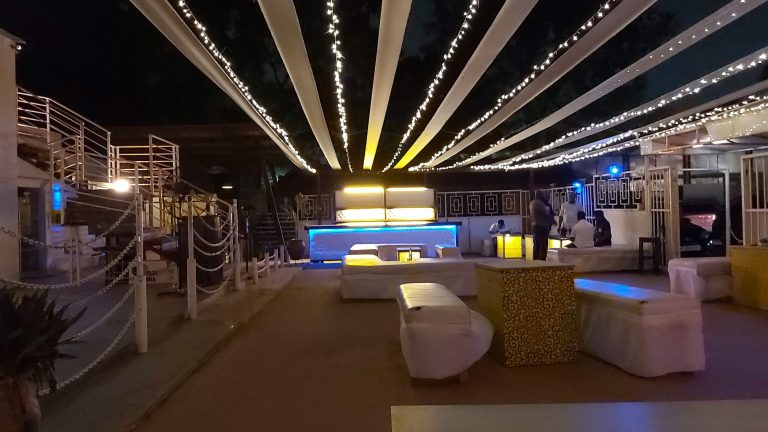
Delay, the outspoken host of The Delay Show, has built one of the most genuinely surprising business success stories in Ghanaian entertainment through Delay Foods, a fast-growing food processing company that has nothing to do with television and everything to do with steady, scalable revenue. It is the kind of business that keeps generating income whether or not she is on air that week, which is exactly the point. Yvonne Nelson has done something similar with her own burger restaurant chain, which now operates multiple locations across Ghana and generates real revenue independent of anything she does on screen. D-Black, meanwhile, built Black Avenue Group into a genuine hospitality empire, nightclubs and venues that turn his entertainment-world relationships into an actual, physical business people walk into every weekend, converting years of industry goodwill into foot traffic and revenue.
The Tech and App Investments
D-Black’s business instincts do not stop at hospitality. He is also a co-owner of Hotwav Phones, a mobile phone brand that has been steadily gaining ground in the local market, proof that a rapper’s business sense can extend into hardware and manufacturing, not just brand ambassador deals or a slapped-on logo. On the pure creator economy side, Barima Kofi Akuffo, the Ghanaian streamer known globally as IShowSpeed, landed on Forbes’ 2026 Top 50 Creators list this year, a genuinely massive marker of how far the creator economy has grown as its own legitimate business category, separate from music or film entirely, and proof that Ghana’s entertainment influence now reaches well past the country’s own entertainment industry.
The Social Enterprise and Foundation Work
Yvonne Nelson’s business portfolio also includes Just Like Mama, a rapidly growing educational institution, alongside YN Productions, her own film company responsible for several well-regarded Ghanaian movies and series. It is a rare example of a celebrity building outward from entertainment into education, rather than treating the two as completely separate lanes, and it gives her a kind of legacy that outlasts any single box office number.
The Brand Deal Economy in Ghana
Which Ghanaian Celebrities Are Commanding the Biggest Deals Right Now
Sarkodie remains Ghana’s richest musician heading into this year, with an estimated net worth around fifteen million dollars, built on royalties, global tours, his own SarkCess Music label, brand deals, and a track record of strategic investment that goes well beyond music.
He is regularly cited as a case study in exactly the discipline this article is about, treating his career like a business rather than a run of luck.
Yvonne Nelson has secured significant endorsement deals of her own, including a partnership with Samsung, proof that an actress’s brand can carry serious weight with a major global tech company, not just local businesses looking for a familiar face.
Criss Waddle’s AMG Business empire and real estate investments have made him one of the clearest examples of a rapper who built wealth as deliberately as he built a catalogue, a reminder that the same discipline that produces a strong album can just as easily produce a strong balance sheet.
How Brand Deals Actually Work in the Ghana Market
The pattern across almost every name here is the same. A brand does not just want a famous face anymore.
It wants a celebrity whose existing audience already trusts them in that specific category, food, fashion, tech, hospitality, so the endorsement feels like an extension of something real rather than a cheque cashed for a single Instagram post.
That is exactly why Delay’s food business and Yvonne Nelson’s burger chain work as well as they do. The audience was already primed to believe these are people who understand food and hospitality, because that trust had already been built through years of public life.
A generic celebrity endorsement, by contrast, tends to have a much shorter shelf life, since audiences here have gotten increasingly good at spotting when a deal has nothing genuine behind it.
What Young Ghanaians Can Learn From the Celebrity Business Playbook
Every name on this list built their business on top of an audience they had already earned, not a business plan they hoped would attract one.
That order matters. Build the trust and the following first, in whatever lane you are already credible in, and the business becomes dramatically easier to launch and sustain. It also matters that almost none of these ventures happened overnight.
Delay Foods, Black Avenue Group, YN Productions, these are businesses built over years of reinvestment, not a single lucky product drop that went viral once and then disappeared.
There is also a lesson here about staying in your lane, at least at first. Nadia Buari went into fashion and skincare, categories her public image already supported. Delay went into food processing, not fashion.
D-Black went into hospitality and, later, phones, both areas where his existing relationships and audience trust could actually do some of the marketing work for him.
None of them tried to become an expert in an unrelated field overnight just because they had money to invest. They picked ground they already partly owned in the public’s mind, and built outward from there.
Abena Xclusive’s Business Spotlight Pick for 2026
If I had to pick one name to watch closest for the rest of the year, it would be Yvonne Nelson. Very few celebrities in Ghana are running a genuinely diversified portfolio the way she is right now, food, education, film production, a major international endorsement, all at once, and all built to reinforce each other rather than compete for her attention. That is not luck.
That is a business mind that happens to also be one of Ghana’s most recognisable faces, and I think we are still only seeing the early stages of what she is building.
What impresses me most is not any single venture on its own. It is how deliberately each one seems chosen to reinforce the others. A film production company keeps her name in front of audiences.
A food business builds a completely separate, recession-resistant income stream. An educational institution builds long-term goodwill and legacy that outlasts any single project.
Put together, that is not a celebrity dabbling in side projects. That is someone building an actual company, one that just happens to have started with a career in front of the camera.